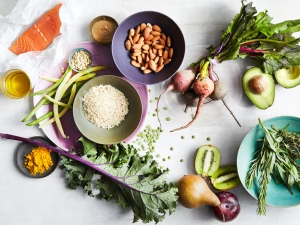
Maintaining a healthy weight while keeping energy levels high can feel like a balancing act. Many people struggle with fatigue, cravings, and weight fluctuations because of inconsistent food choices or reliance on processed meals. However, with the right knowledge and habits, smart food decisions can support both weight management and sustained energy throughout the day. This article will guide you through practical strategies, tips, and examples to make daily nutrition choices that fuel your body efficiently and help you maintain a healthy weight without stress.
Understanding the Connection Between Food, Weight, and Energy
Your body is like a finely tuned machine—what you eat directly impacts how efficiently it functions. Calories, nutrient quality, and meal timing all influence weight management and energy levels.
How Food Affects Energy and Weight
- Blood Sugar Regulation: Balanced meals with protein, healthy fats, and complex carbohydrates prevent spikes and crashes in energy.
- Metabolism Support: Nutrient-dense foods enhance metabolism and prevent the slowdown often caused by calorie restriction.
- Satiety and Appetite Control: Protein, fiber, and healthy fats help you feel full longer, reducing overeating and snacking on empty calories.
- Mood and Focus: Certain nutrients, such as B vitamins and omega-3 fatty acids, impact brain function and overall vitality.
Understanding these connections allows you to make smarter food choices that promote both weight control and consistent energy.
Prioritize Nutrient-Dense Foods
When managing weight and energy, quality matters as much as quantity. Focus on nutrient-dense foods that provide essential vitamins and minerals without unnecessary calories.
Vital Nutrient Sources
- Proteins: Lean meats, fish, eggs, legumes, and tofu provide building blocks for muscles and help stabilize blood sugar.
- Whole Grains: Brown rice, oats, quinoa, and whole wheat products provide slow-releasing energy.
- Healthy Fats: Avocados, nuts, seeds, and olive oil support hormone function and brain health.
- Fruits and Vegetables: High in fiber, antioxidants, and micronutrients that aid digestion and energy production.
- Dairy or Alternatives: Yogurt, milk, and plant-based alternatives supply calcium and vitamin D.
By focusing on nutrient-dense foods, you can maintain energy levels and avoid calorie-dense, low-nutrient meals that contribute to weight gain.
Eat Balanced Meals for Sustained Energy
Balanced meals are essential to prevent energy dips and overeating. Each meal should include a combination of macronutrients: proteins, complex carbohydrates, and healthy fats.
Meal Composition Tips
- Protein: Helps repair tissues, maintain muscle, and regulate hunger hormones.
- Complex Carbohydrates: Provide energy without causing spikes in blood sugar.
- Healthy Fats: Enhance satiety and support long-term energy.
- Fiber-Rich Foods: Vegetables, fruits, and whole grains slow digestion and keep you full longer.
For example, a balanced lunch could include grilled chicken, quinoa, steamed vegetables, and a small portion of olive oil-based dressing. This combination supports weight management while providing steady energy.
Mindful Eating for Weight and Energy Control
Mindful eating is a powerful tool for managing weight and preventing energy slumps. It focuses on paying attention to your body’s hunger cues and the quality of the food you consume.
Mindful Eating Strategies
- Eat Slowly: Chew food thoroughly and savor each bite to recognize fullness signals.
- Limit Distractions: Avoid eating while watching TV or working to prevent overeating.
- Recognize Emotional Eating: Distinguish between true hunger and cravings triggered by stress or boredom.
- Portion Control: Serve smaller portions and avoid going back for seconds unless truly hungry.
Practicing mindful eating improves digestion, reduces calorie intake, and helps maintain consistent energy levels.
Smart Snacking for Sustained Energy
Snacking isn’t inherently bad—choosing the right snacks can prevent energy crashes and support weight management.
Examples of Healthy Snacks
- Apple Slices With Nut Butter: Combines fiber, natural sugar, and healthy fats for steady energy.
- Greek Yogurt With Berries: Provides protein, probiotics, and antioxidants.
- Trail Mix: Nuts, seeds, and dried fruit offer protein, fiber, and micronutrients.
- Hummus With Vegetables: A satisfying combination of protein and fiber.
Planning snacks prevents impulsive choices that often include sugary or high-calorie foods.
Portion Control and Meal Timing
Even nutrient-rich foods can contribute to weight gain if portion sizes are too large. Paying attention to both portion control and meal timing supports energy regulation and weight management.
Tips for Portion Control
- Use the Plate Method: Fill half your plate with vegetables, one-quarter with protein, and one-quarter with whole grains or starchy vegetables.
- Pre-Portion Meals: Avoid eating straight from the package to prevent overeating.
- Eat Regularly: Aim for 3 main meals and 1-2 snacks to maintain steady energy levels.
- Listen to Your Body: Stop eating when you feel comfortably full rather than stuffed.
Proper portioning ensures you consume enough nutrients without excess calories, helping with both energy and weight management.
Hydration: An Overlooked Factor in Energy and Weight
Hydration plays a key role in regulating metabolism, preventing fatigue, and controlling appetite. Thirst is often mistaken for hunger, leading to unnecessary snacking.
Hydration Tips
- Drink Water Regularly: Aim for at least 8 cups a day, more if physically active.
- Start Your Day With Water: Kickstart metabolism and replenish fluids lost overnight.
- Infuse Water for Flavor: Add fruits or herbs to make hydration more enjoyable.
- Include Hydrating Foods: Cucumbers, oranges, and watermelon add water and nutrients.
Adequate hydration supports energy production, digestion, and portion control, all of which contribute to maintaining a healthy weight.
Plan Meals Ahead to Reduce Poor Food Choices
Meal planning is essential for making smart nutrition decisions. When meals and snacks are pre-planned, you’re less likely to grab high-calorie, low-nutrient options.
Meal Planning Strategies
- Weekly Menu: Plan breakfast, lunch, dinner, and snacks.
- Batch Prep Ingredients: Cook proteins, grains, or vegetables in advance.
- Keep Healthy Staples: Frozen vegetables, canned beans, and nuts make balanced meals easier.
- Rotate Recipes: Variety prevents boredom and ensures a wide range of nutrients.
Planning ahead reduces stress, supports consistent energy levels, and makes weight management more achievable.
Listen to Your Body and Adjust
Everyone’s body is different, so paying attention to your personal response to foods is important. Tracking energy levels, hunger, and cravings can guide smarter food choices.
How to Tune Into Your Body
- Notice Energy Patterns: Identify foods that boost energy versus those that lead to crashes.
- Keep a Food Journal: Track meals, snacks, and how you feel to identify patterns.
- Adjust Portions or Ingredients: Customize meals based on activity level, hunger, and energy needs.
- Avoid Restrictive Diets: Extreme restrictions can reduce energy and lead to rebound weight gain.
Listening to your body helps you make informed, sustainable choices for both energy and weight management.
Conclusion
Making smart food decisions is a key factor in managing weight while maintaining energy. By focusing on nutrient-dense foods, balanced meals, mindful eating, healthy snacks, proper portioning, hydration, and meal planning, you can create a sustainable approach to nutrition that supports both vitality and a healthy body weight. Small, consistent changes to your daily eating habits can have a profound impact on how you feel, both physically and mentally.
FAQs
1. Can eating the right foods really improve energy and help manage weight?
Yes. Choosing nutrient-dense, balanced meals supports metabolism, prevents energy crashes, and helps regulate appetite, aiding both energy and weight control.
2. Are snacks necessary for maintaining energy?
Smart snacking can prevent energy dips and overeating at meals. Focus on snacks that combine protein, fiber, and healthy fats.
3. How important is meal timing for energy and weight management?
Eating regular meals and snacks helps maintain stable blood sugar, preventing fatigue and unnecessary calorie intake.
4. Can hydration impact weight management?
Yes. Proper hydration supports metabolism, prevents overeating, and keeps energy levels stable.
5. How can I make nutrition choices sustainable long-term?
Prioritize whole, nutrient-dense foods, practice portion control, plan meals, stay hydrated, and listen to your body’s hunger and energy signals for consistent, long-term results.