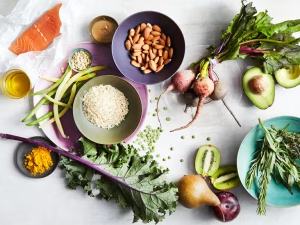
Good nutrition is the foundation of a healthy lifestyle. In 2026, making smart nutrition choices is more important than ever as busy schedules, processed foods, and misleading diet trends can easily affect our health. Smart nutrition doesn’t mean strict dieting—it’s about choosing foods that fuel your body, support long-term health, and fit your lifestyle.
This guide provides practical tips to help you make informed food choices, plan balanced meals, and maintain energy throughout the day while promoting overall wellness.
Understanding Nutrition Basics
1. Balance Your Macronutrients
-
Proteins: Essential for muscle repair and satiety. Sources include lean meats, fish, eggs, tofu, beans, and legumes.
-
Carbohydrates: Your body’s primary energy source. Choose complex carbs like whole grains, oats, quinoa, and vegetables.
-
Fats: Support brain function and hormone production. Opt for healthy fats such as avocado, nuts, seeds, and olive oil.
2. Micronutrients Matter
-
Vitamins and minerals are crucial for immune health, bone strength, and metabolism.
-
Eat a variety of colorful fruits and vegetables to cover multiple micronutrients daily.
3. Hydration
-
Drink at least 8 glasses of water per day to maintain energy, digestion, and concentration.
-
Limit sugary drinks and excessive caffeine, which can dehydrate the body.
Practical Tips for Smart Nutrition
1. Plan Your Meals
-
Create a weekly meal plan to reduce impulse eating and avoid unhealthy options.
-
Focus on meals with versatile ingredients to save money and time.
2. Portion Control
-
Use smaller plates and measure servings to avoid overeating.
-
Pay attention to hunger cues and eat until satisfied, not stuffed.
3. Choose Whole Foods
-
Minimize processed and packaged foods that are high in sugar, salt, and unhealthy fats.
-
Include fresh fruits, vegetables, whole grains, and lean proteins in your meals.
4. Smart Snacking
-
Replace chips and candy with nuts, yogurt, fruits, or vegetable sticks.
-
Keep healthy snacks accessible at home and work to avoid unhealthy temptations.
Nutrition for Specific Goals
1. Weight Management
-
Include high-protein, fiber-rich foods to feel full longer.
-
Focus on nutrient-dense options rather than calorie-dense, low-nutrition foods.
2. Energy and Focus
-
Eat complex carbs and protein for sustained energy throughout the day.
-
Avoid heavy, greasy meals that can cause sluggishness.
3. Immune Support
-
Include vitamin C-rich foods like citrus fruits, bell peppers, and broccoli.
-
Incorporate zinc and iron sources such as beans, seeds, and lean meats.
Smart Grocery Shopping
-
Make a shopping list before going to the store to avoid impulse buys.
-
Shop the perimeter of the store first—fresh produce, dairy, and protein—before venturing into processed food aisles.
-
Read labels for sugar, salt, and fat content.
-
Buy seasonal and local produce for better nutrition and affordability.
Eating Out Smartly
-
Choose grilled, baked, or steamed options over fried foods.
-
Request sauces and dressings on the side to control extra calories.
-
Substitute fries or other sides with vegetables or salads.
-
Watch portion sizes; share dishes or take leftovers home when possible.
FAQ: Nutrition Smart Choices
1. How can I eat healthy without dieting?
Focus on balanced meals, portion control, and incorporating whole foods while enjoying occasional treats in moderation.
2. Are frozen vegetables a good option?
Yes. They retain most nutrients, reduce waste, and are often more affordable than fresh produce.
3. Can plant-based foods provide enough protein?
Absolutely. Beans, lentils, tofu, nuts, and seeds are excellent protein sources when combined in meals.
4. How important is hydration?
Very important—water supports digestion, energy, skin health, and cognitive function. Aim for 6–8 glasses per day.
5. Should I take supplements?
Supplements can help fill nutrient gaps but should not replace a balanced diet. Consult a healthcare provider for personalized advice.
Conclusion
Nutrition smart choices in 2026 revolve around balance, planning, and mindfulness. By including whole foods, monitoring portions, staying hydrated, and planning meals ahead, you can maintain energy, support overall health, and prevent diet-related issues.
Small daily practices—like swapping sugary snacks for fruits, planning meals in advance, and choosing nutrient-dense foods—have a lasting impact on your health. Making smart nutrition choices isn’t a temporary trend; it’s a sustainable path to feeling healthier, more energized, and more focused every day.