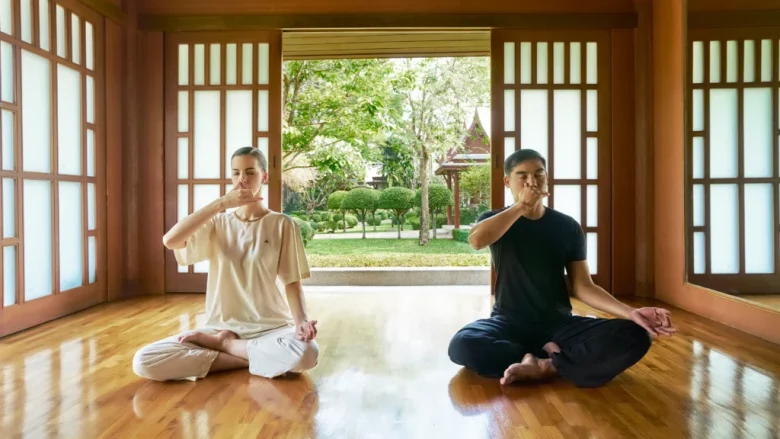
In today’s fast-paced world, maintaining mental balance is just as important as physical health. Stress, anxiety, and constant distractions can leave your mind feeling scattered, overwhelmed, or exhausted. I’ve experienced this personally—juggling work, family, and daily responsibilities made me feel mentally drained. Over time, I realized that developing mental balanced skills is key to staying resilient, focused, and emotionally stable.
In this guide, I’ll share practical strategies, step-by-step exercises, and real-life tips to help you strengthen your mental balance and emotional well-being every day.
What Are Mental Balanced Skills?
Mental balanced skills are abilities that help you regulate your thoughts, emotions, and behavior effectively. They allow you to:
-
Stay calm under pressure
-
Think clearly and make better decisions
-
Manage stress and anxiety
-
Maintain positive relationships
-
Adapt to challenges without feeling overwhelmed
Think of these skills as tools for your mental “fitness.” Just like physical muscles, they grow stronger when trained consistently.
Why Mental Balance Matters
Mental balance is critical because it influences every aspect of life:
-
Productivity: A calm and focused mind improves concentration and performance.
-
Relationships: Balanced emotions lead to healthier communication and empathy.
-
Stress management: Reduces the risk of burnout and anxiety.
-
Decision-making: Clear thinking allows for better judgment and problem-solving.
-
Overall well-being: Supports better sleep, energy levels, and emotional resilience.
From my personal experience, practicing mental balance daily drastically improved my mood, focus, and ability to handle unexpected challenges.
Core Mental Balanced Skills
Here are the essential skills I recommend developing:
1. Emotional Awareness
Being aware of your emotions is the first step to controlling them.
How to practice:
-
Pause and identify what you are feeling.
-
Name your emotions (e.g., “I feel frustrated,” “I feel anxious”).
-
Reflect on the cause and consider healthy responses.
Tip: Journaling daily helps track emotions and patterns over time.
2. Stress Management
Stress is unavoidable, but how you respond determines your mental health.
Techniques I use:
-
Deep breathing exercises (inhale 4 seconds, hold 4, exhale 6)
-
Mindfulness meditation (even 5 minutes daily helps)
-
Physical activity like walking, yoga, or stretching
Mistake to avoid: Ignoring stress—it can accumulate and impact health, mood, and sleep.
3. Focus & Concentration
A balanced mind stays focused and avoids mental clutter.
Strategies:
-
Break tasks into smaller steps to prevent overwhelm.
-
Limit distractions (turn off notifications, create a quiet workspace).
-
Use techniques like the Pomodoro method (25 minutes work, 5 minutes break).
Insight: Practicing focus daily strengthens mental endurance like training a muscle.
4. Adaptability & Resilience
Life is unpredictable. Mentally balanced people adapt without excessive stress.
How to develop:
-
Reframe challenges as opportunities to learn.
-
Accept situations beyond your control.
-
Practice problem-solving calmly instead of panicking.
Pro tip: Reflect on past difficulties and note how you overcame them—this builds confidence in your resilience.
5. Positive Thinking & Mindset
Your mindset affects mood, motivation, and overall mental health.
Techniques:
-
Practice gratitude daily (write 3 things you’re thankful for).
-
Replace negative self-talk with positive affirmations.
-
Surround yourself with supportive people.
Tip: Positive thinking doesn’t ignore reality—it empowers constructive action.
Practical Daily Exercises
Here’s how I incorporate mental balanced skills into daily life:
-
Morning reflection: Spend 5 minutes setting intentions and visualizing a positive day.
-
Mindful breaks: Pause during work to breathe deeply and center your mind.
-
Evening journaling: Note emotions, stressors, and achievements.
-
Gratitude practice: Identify at least one thing you’re thankful for daily.
-
Physical activity: Short walks, stretching, or yoga to clear the mind.
Even small, consistent practices build stronger mental resilience over time.
Real-Life Benefits
-
Reduced anxiety and irritability
-
Improved focus at work or studies
-
Stronger relationships with friends and family
-
Greater ability to handle unexpected challenges
-
Better sleep and overall emotional well-being
From my own journey, applying these habits daily has made me calmer, more productive, and more confident in decision-making.
FAQs About Mental Balanced Skills
1. Can mental balance really be learned?
Yes! Like physical fitness, mental balanced skills improve with practice and consistency.
2. How long does it take to see results?
Noticeable changes in focus, mood, and stress levels can appear within weeks if exercises are done consistently.
3. Do I need special tools or apps?
Not necessarily. Journaling, mindfulness, and structured daily routines are sufficient. Apps for meditation or habit tracking can help but aren’t required.
4. Can mental balance help with anxiety or stress disorders?
While daily practices improve resilience, professional support may be needed for chronic anxiety or mental health conditions.
5. How often should I practice these skills?
Daily practice, even in short sessions of 5–10 minutes, is ideal for building lasting mental balance.
Conclusion: Strengthen Your Mind Every Day
Developing mental balanced skills is not a one-time effort—it’s a daily habit that improves focus, emotional stability, and overall well-being. By practicing emotional awareness, stress management, focus, adaptability, and positive thinking, you create a resilient mind that can handle life’s challenges calmly and effectively.
Start today: take a 5-minute mindful break, write down your thoughts, or practice gratitude. Over time, these small actions build a stronger, happier, and more balanced mind.
Remember, mental fitness matters as much as physical fitness. Strengthen your mind, and your life will follow.