Modern life has made many things easier—but it has also created a silent health crisis. Long sitting hours, processed foods, poor sleep, high stress, and low physical activity are contributing to a growing number of lifestyle health problems worldwide. Unlike infectious diseases, these conditions develop slowly and are often preventable with the right daily habits.
If you feel constantly tired, stressed, gaining weight, or struggling with sleep, your lifestyle may be affecting your health more than you realize. In this guide, we’ll explore the most common lifestyle-related health problems, their causes, early warning signs, and realistic steps you can take to protect yourself and your family.
What Are Lifestyle Health Problems?
Lifestyle health problems are medical conditions primarily caused or worsened by unhealthy daily habits. These include poor diet, lack of exercise, smoking, excessive alcohol use, chronic stress, and irregular sleep patterns.
Unlike genetic disorders or sudden infections, lifestyle diseases usually develop over time. The good news? Many of them are preventable—and in some cases reversible—through sustainable lifestyle changes.
1. Obesity and Weight-Related Disorders



Obesity is one of the most widespread lifestyle health problems today. It occurs when calorie intake consistently exceeds calorie burn, leading to excess body fat.
Common Causes:
-
High consumption of processed and sugary foods
-
Sedentary work routines
-
Emotional eating
-
Poor sleep patterns
Health Risks:
-
Joint pain
-
Type 2 diabetes
-
High blood pressure
-
Heart disease
-
Low self-esteem and depression
Practical Solutions:
-
Follow portion control rather than strict dieting
-
Increase daily movement (even 20–30 minutes of walking helps)
-
Replace sugary drinks with water
-
Track eating habits for awareness
Small, consistent changes work better than extreme diets.
2. Type 2 Diabetes
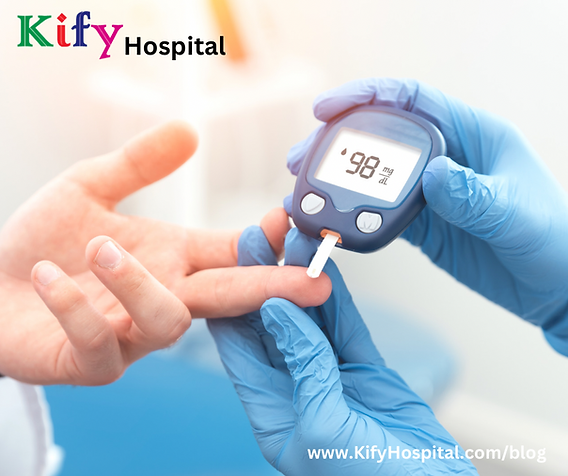


Type 2 diabetes is strongly linked to lifestyle factors such as obesity, poor diet, and physical inactivity. It develops when the body becomes resistant to insulin or doesn’t produce enough insulin.
Warning Signs:
-
Frequent thirst
-
Increased urination
-
Fatigue
-
Blurred vision
-
Slow wound healing
Prevention Tips:
-
Maintain a healthy body weight
-
Reduce refined carbohydrates
-
Exercise regularly
-
Get regular blood sugar testing if at risk
Early detection can prevent serious complications such as nerve damage and heart disease.
3. Heart Disease and High Blood Pressure
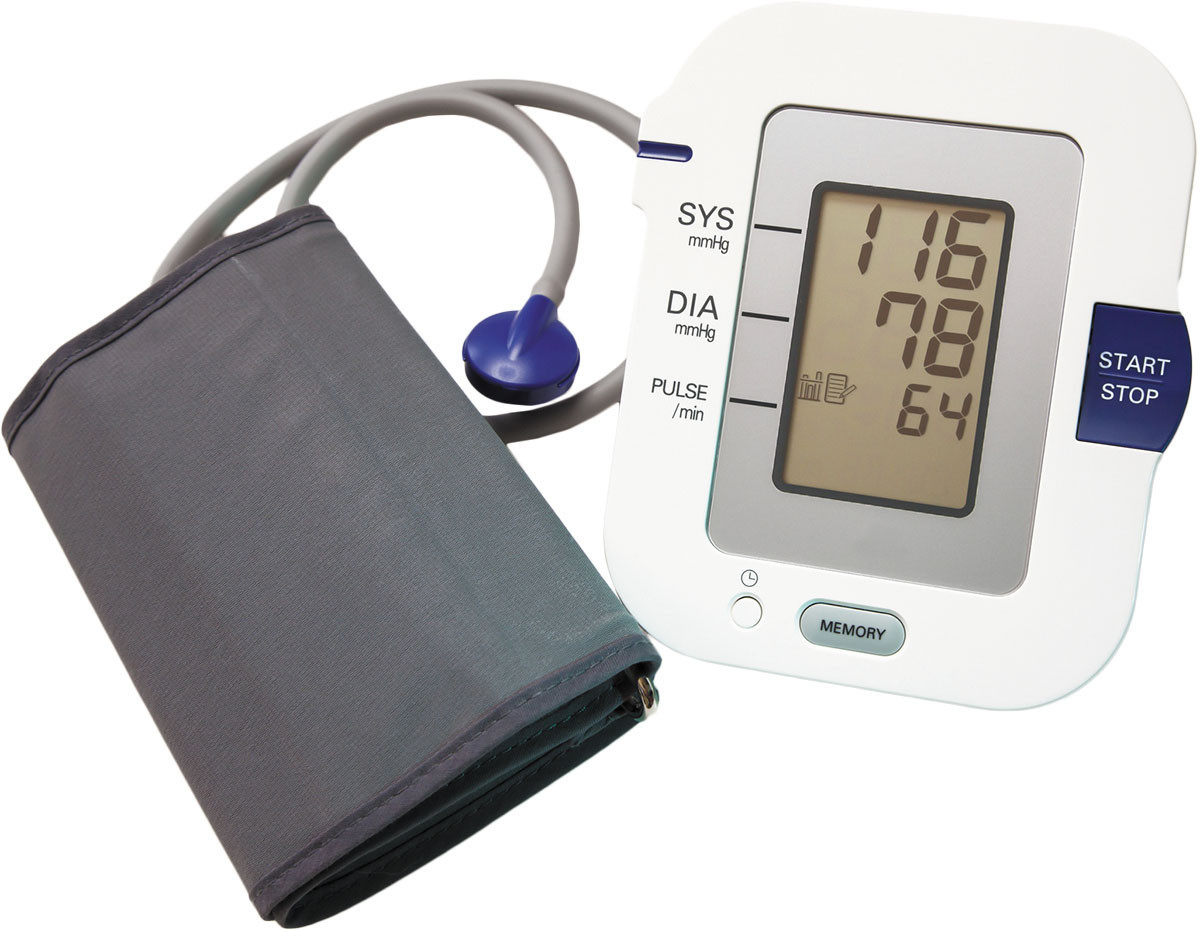


Cardiovascular disease remains one of the leading causes of death globally. Poor diet, stress, smoking, and inactivity significantly increase the risk.
Key Risk Factors:
-
High salt intake
-
Smoking
-
Chronic stress
-
Lack of exercise
-
High cholesterol
Protective Habits:
-
Limit processed and salty foods
-
Quit smoking
-
Practice stress management techniques
-
Monitor blood pressure regularly
Even moderate daily exercise strengthens the heart and improves circulation.
4. Chronic Stress and Mental Health Disorders

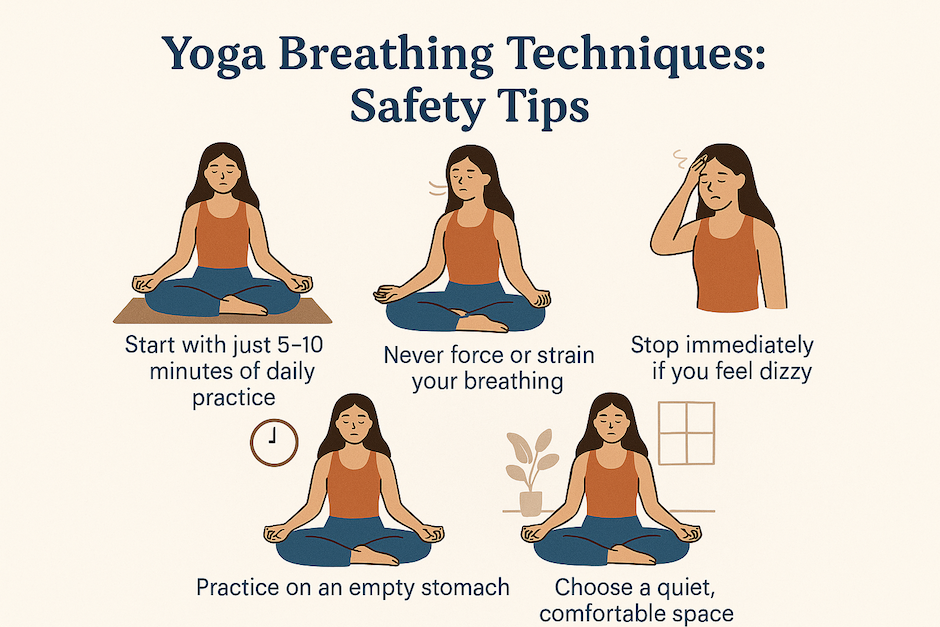

Stress is not just emotional—it affects the entire body. Chronic stress increases cortisol levels, which can lead to sleep problems, weight gain, digestive issues, and weakened immunity.
Symptoms of Lifestyle-Related Stress:
-
Irritability
-
Headaches
-
Insomnia
-
Low motivation
-
Anxiety
Healthy Coping Strategies:
-
Daily breathing exercises or meditation
-
Setting work-life boundaries
-
Limiting screen time
-
Seeking professional support if needed
Mental health is a critical part of overall wellness, not a secondary concern.
5. Sleep Disorders and Fatigue
Sleep is often sacrificed for productivity or entertainment. However, poor sleep directly impacts metabolism, heart health, mood, and immune strength.
Common Causes:
-
Late-night screen exposure
-
High caffeine intake
-
Irregular sleep schedules
-
Stress and anxiety
Improve Sleep Quality:
-
Maintain consistent bedtime routines
-
Avoid screens at least one hour before sleep
-
Reduce caffeine in the evening
-
Keep your bedroom dark and quiet
Adults generally need 7–9 hours of quality sleep each night for optimal health.
6. Sedentary Lifestyle and Musculoskeletal Problems
Prolonged sitting leads to back pain, neck strain, weak muscles, and poor posture. Many office workers and students experience these issues daily.
Warning Signs:
-
Lower back pain
-
Stiff neck
-
Reduced flexibility
-
Muscle weakness
Simple Fixes:
-
Take movement breaks every 60 minutes
-
Stretch daily
-
Adjust workstation ergonomics
-
Incorporate strength exercises twice a week
Even small posture corrections can prevent long-term spinal problems.
How to Prevent Lifestyle Health Problems
Prevention does not require drastic life changes. It requires awareness and consistency.
Build a Sustainable Health Routine:
-
Eat balanced meals with natural ingredients.
-
Move your body daily.
-
Manage stress proactively.
-
Prioritize quality sleep.
-
Schedule regular medical checkups.
Focus on progress, not perfection. Health improvements happen gradually.
Frequently Asked Questions (FAQs)
1. Are lifestyle health problems reversible?
Some conditions, such as early-stage type 2 diabetes or high blood pressure, can improve significantly with lifestyle changes. However, advanced cases may require medical treatment alongside healthy habits.
2. How quickly can lifestyle changes improve health?
Some benefits, like improved energy and better sleep, may appear within weeks. Long-term disease risk reduction usually takes consistent habits over months or years.
3. Is stress really harmful to physical health?
Yes. Chronic stress affects hormones, blood pressure, digestion, and immunity. Managing stress is essential for both mental and physical well-being.
4. Can young people develop lifestyle diseases?
Absolutely. Poor diet, inactivity, and excessive screen time are causing obesity, diabetes, and anxiety even in teenagers and young adults.
5. Do I need medication if I have a lifestyle disease?
Not always. Early intervention through lifestyle improvements may reduce or eliminate the need for medication. Always consult a qualified healthcare provider for proper evaluation.
Conclusion: Take Control Before Problems Begin
Lifestyle health problems do not appear overnight. They develop from small daily habits repeated over time. The encouraging reality is that small positive changes—healthy eating, daily movement, stress control, and quality sleep—can dramatically reduce your risk.
You do not need to transform your life in one week. Start with one healthy habit today. Over time, these small actions will protect your body, improve your mental clarity, and help you build a healthier, more energetic future.