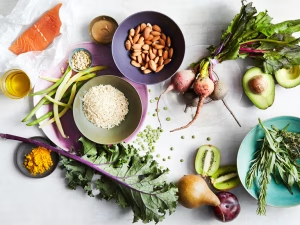
Planning balanced meals can often feel overwhelming, especially when life is busy, and time is limited. Between work, family responsibilities, and social commitments, figuring out what to cook can quickly become a stressful task. However, with simple strategies, practical tips, and a little organization, anyone can plan nutritious meals that are satisfying and easy to prepare. In this article, we will explore effective ways to plan balanced meals without stress and make healthy eating a manageable part of everyday life.
Understanding What a Balanced Meal Really Means
Before diving into meal planning strategies, it’s essential to understand what a balanced meal actually entails. A balanced meal is one that provides your body with the essential nutrients it needs to function optimally. This includes a mix of proteins, carbohydrates, healthy fats, vitamins, and minerals.
Components of a Balanced Meal
- Proteins: Proteins are essential for building and repairing tissues. Examples include lean meats, fish, eggs, legumes, and tofu.
- Carbohydrates: Carbs are your body’s main energy source. Opt for whole grains like brown rice, quinoa, oats, and whole wheat bread.
- Healthy Fats: Fats support brain health and hormone production. Sources include avocados, nuts, seeds, and olive oil.
- Fruits and Vegetables: These provide fiber, vitamins, and antioxidants. Aim for colorful vegetables and seasonal fruits.
- Dairy or Alternatives: Milk, yogurt, or plant-based alternatives offer calcium and vitamin D.
By keeping these components in mind, you can create meals that are both nutritious and satisfying.
Start With a Simple Weekly Meal Plan
Creating a weekly meal plan is one of the most effective ways to reduce mealtime stress. Planning your meals ahead helps you avoid last-minute unhealthy choices and simplifies grocery shopping.
Steps to Create a Stress-Free Meal Plan
- Choose Your Meals: Pick three main meals per day—breakfast, lunch, and dinner—and add 1-2 healthy snacks.
- Keep it Simple: Focus on meals that are easy to prepare and use overlapping ingredients to reduce waste.
- Set a Theme for Each Day: For example, “Meatless Mondays,” “Taco Tuesdays,” or “Fish Fridays.” This reduces decision fatigue.
- Prep Ingredients in Advance: Chop vegetables, cook grains, or marinate proteins ahead of time to save time during the week.
With a basic plan in place, you can focus on enjoying your meals rather than stressing over what to eat next.
Batch Cooking and Meal Prepping
Batch cooking and meal prepping are time-saving techniques that make balanced eating much easier. Preparing meals or ingredients in advance ensures you always have nutritious options ready.
Tips for Efficient Meal Prepping
- Cook Once, Eat Multiple Times: Prepare larger portions of proteins, grains, and roasted vegetables that can be combined into different meals.
- Use Airtight Containers: Store prepped meals or ingredients in containers to keep them fresh and organized.
- Mix and Match Ingredients: Combine proteins, grains, and veggies in different ways to create variety without extra cooking.
- Label and Date: Label containers with the contents and preparation date to avoid confusion.
Meal prepping can save hours during the week and make healthy eating much more achievable.
Keep Your Pantry Stocked with Essentials
A well-stocked pantry makes balanced meal planning easier and helps you resist the temptation of fast food.
Pantry Essentials for Balanced Meals
- Whole Grains: Brown rice, quinoa, oats, whole wheat pasta
- Canned Proteins: Beans, lentils, tuna, salmon
- Healthy Fats: Olive oil, coconut oil, nuts, seeds
- Spices and Herbs: Garlic, turmeric, paprika, dried herbs
- Shelf-Stable Vegetables: Canned tomatoes, frozen spinach, frozen mixed vegetables
Having these staples on hand allows you to whip up balanced meals quickly without worrying about last-minute shopping trips.
Focus on Simple and Quick Recipes
Complex recipes can increase stress, especially after a long day. Focus on simple meals with minimal ingredients that can be prepared in 30 minutes or less.
Examples of Quick Balanced Meals
- Breakfast: Greek yogurt with berries, chia seeds, and a drizzle of honey.
- Lunch: Grilled chicken salad with mixed greens, quinoa, and a light vinaigrette.
- Dinner: Stir-fried vegetables with tofu and brown rice.
- Snack: Hummus with carrot sticks or apple slices with almond butter.
Simple recipes reduce cooking stress while keeping meals healthy and satisfying.
Use Portion Control to Stay Balanced
Even when eating healthy foods, portion sizes matter. Overeating can lead to unnecessary weight gain, while under-eating may leave you feeling fatigued.
Tips for Easy Portion Control
- Use Smaller Plates: This tricks your brain into feeling satisfied with less food.
- Follow the Plate Method: Fill half your plate with vegetables, one-quarter with protein, and one-quarter with grains or starches.
- Listen to Your Body: Eat slowly and stop when you feel full.
- Pre-Portion Snacks: Avoid eating directly from packages; portion snacks into small containers or bags.
Portion control helps you maintain a balanced diet without feeling deprived.
Make It Flexible and Enjoyable
A meal plan should not feel restrictive. Flexibility is key to reducing stress and making balanced eating a sustainable habit.
Ways to Keep Meal Planning Flexible
- Swap Ingredients: Substitute ingredients based on availability or personal preference.
- Allow Treats: Include occasional indulgences to avoid feelings of restriction.
- Adjust Serving Sizes: Customize portions based on hunger, activity level, and family needs.
- Experiment With Flavors: Use herbs, spices, and marinades to keep meals interesting.
Making meal planning enjoyable rather than a chore ensures you stick with it long-term.
Incorporate Variety to Avoid Boredom
Eating the same meals every week can get monotonous. Variety is important for both nutrition and enjoyment.
Tips for Adding Variety
- Rotate proteins like chicken, fish, legumes, and eggs throughout the week.
- Include different colors of fruits and vegetables for a range of nutrients.
- Experiment with international cuisines for flavor inspiration.
- Try seasonal produce to keep meals fresh and exciting.
Variety keeps your meals nutritious and makes the process of planning more fun.
Conclusion
Planning balanced meals doesn’t have to be stressful or time-consuming. By understanding what constitutes a balanced meal, creating a simple weekly plan, prepping ingredients in advance, keeping a well-stocked pantry, and focusing on quick, enjoyable recipes, anyone can eat healthily without hassle. Remember, portion control, flexibility, and variety are key components that make meal planning sustainable and enjoyable. With these strategies, you can make healthy eating an effortless and rewarding part of your daily life.
FAQs
1. How do I start planning balanced meals if I’m a beginner?
Start by learning the basic components of a balanced meal—protein, carbs, healthy fats, and vegetables. Create a simple weekly plan with easy recipes and gradually build variety.
2. Can I meal prep if I have a busy schedule?
Absolutely. Batch cooking proteins, grains, and vegetables over the weekend or on a day off allows you to have ready-to-eat meals during busy weekdays.
3. How do I make sure I don’t get bored with my meals?
Rotate proteins, use seasonal produce, and experiment with herbs, spices, and different cuisines to keep meals flavorful and interesting.
4. Is it okay to include treats in a balanced meal plan?
Yes. Including occasional treats helps you enjoy your meals without feeling restricted and supports long-term consistency in healthy eating.
5. What’s the easiest way to avoid unhealthy last-minute food choices?
Keep your pantry and fridge stocked with healthy staples and prepped ingredients, and have simple, quick recipes on hand for stressful or busy days.