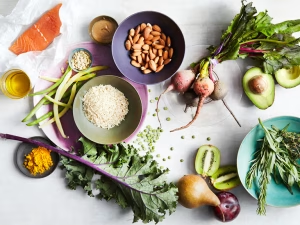
Maintaining energy, focus, and overall well-being starts with the foods you eat every day. Many people overlook how small, everyday nutrition choices can significantly affect vitality, mood, and health. By making thoughtful choices about what, when, and how you eat, you can support your body’s natural energy levels, prevent fatigue, and feel more vibrant throughout the day. In this article, we will explore practical strategies to make everyday nutrition choices that improve vitality and help you thrive.
Understanding the Link Between Nutrition and Vitality
Vitality isn’t just about energy; it’s about feeling alive, alert, and capable. The food you consume directly impacts your body’s ability to function optimally. Nutrients provide the energy needed for daily activities, support your immune system, and regulate hormones that influence mood and focus.
Key Nutrients for Sustained Energy
- Proteins: Essential for repairing cells and maintaining muscle mass, proteins also help stabilize blood sugar, preventing energy crashes.
- Complex Carbohydrates: Whole grains, legumes, and vegetables provide slow-releasing energy that keeps you alert and active.
- Healthy Fats: Sources like avocados, nuts, and olive oil fuel brain function and hormone production.
- Vitamins and Minerals: Micronutrients such as B vitamins, magnesium, and iron play a crucial role in energy metabolism.
- Hydration: Water is often overlooked, but even mild dehydration can cause fatigue, sluggishness, and reduced focus.
Understanding how these nutrients affect vitality is the first step toward making better daily nutrition choices.
Start Your Day With a Power Breakfast
Breakfast is often called the most important meal of the day, and for good reason. Eating a nutrient-rich breakfast sets the tone for energy levels, mood, and concentration.
Breakfast Choices That Boost Vitality
- Oatmeal With Fruit and Nuts: Provides complex carbohydrates for energy, fiber for digestion, and healthy fats for brain function.
- Greek Yogurt Parfait: Combines protein, probiotics, and vitamins from fruits for a nourishing start.
- Smoothies: Blend leafy greens, fruits, protein powder, and seeds for a nutrient-packed, easily digestible meal.
- Egg-Based Breakfasts: Eggs with vegetables offer protein, vitamins, and minerals essential for sustained energy.
Eating a balanced breakfast supports metabolism and prevents mid-morning energy slumps.
Prioritize Whole, Nutrient-Dense Foods
One of the simplest ways to improve vitality is to focus on whole, minimally processed foods. These foods contain the essential nutrients your body needs without added sugars, unhealthy fats, or empty calories.
Examples of Vitality-Boosting Foods
- Vegetables: Leafy greens, bell peppers, and cruciferous vegetables are rich in antioxidants and fiber.
- Fruits: Berries, citrus, and apples provide natural sugars and vitamin C for energy and immunity.
- Whole Grains: Brown rice, quinoa, and oats support steady energy release throughout the day.
- Lean Proteins: Chicken, fish, tofu, and legumes provide building blocks for muscle and energy regulation.
- Nuts and Seeds: Almonds, chia seeds, and sunflower seeds contain healthy fats and minerals that support energy production.
By prioritizing nutrient-dense foods, you reduce energy crashes and improve overall vitality.
Hydration: The Often Overlooked Energy Booster
Many people underestimate the impact of hydration on daily energy levels. Even mild dehydration can cause fatigue, brain fog, and irritability.
Practical Tips for Staying Hydrated
- Drink Water First Thing in the Morning: Kickstart metabolism and replenish fluids lost overnight.
- Set Hydration Reminders: Use a water bottle with time markers or phone reminders to drink regularly.
- Infuse Water for Taste: Add lemon, cucumber, or berries for a flavorful hydration boost.
- Include Hydrating Foods: Fruits like watermelon, oranges, and cucumbers add both water and nutrients.
Staying hydrated enhances alertness, concentration, and physical energy.
Smart Snacking for Steady Energy
Snacks are often seen as indulgences, but with the right choices, they can maintain energy levels between meals and prevent overeating.
Healthy Snack Ideas
- Nut Butter With Apple Slices: Combines healthy fats, fiber, and natural sugar for sustained energy.
- Trail Mix: Nuts, seeds, and dried fruit provide a portable source of protein and micronutrients.
- Veggie Sticks With Hummus: Fiber, protein, and vitamins support vitality and digestion.
- Greek Yogurt With Honey and Berries: Protein, probiotics, and antioxidants fuel both body and brain.
Planning snacks thoughtfully prevents energy crashes and supports mental clarity throughout the day.
Balance Meals With Proper Portion Sizes
Eating nutrient-rich foods is important, but portion sizes also play a crucial role in vitality. Overeating can lead to sluggishness, while undereating can leave you fatigued.
Tips for Portion Control
- The Plate Method: Fill half your plate with vegetables, one-quarter with lean protein, and one-quarter with whole grains or starchy vegetables.
- Mindful Eating: Eat slowly and focus on the taste, texture, and aroma of your food. This helps you recognize fullness cues.
- Use Smaller Plates: This can help control portions without feeling deprived.
- Pre-Portion Snacks: Avoid eating directly from the bag or container.
Balanced portions combined with nutrient-rich foods maximize energy and overall well-being.
Plan Meals Ahead to Avoid Poor Choices
Meal planning reduces stress and improves vitality by preventing last-minute unhealthy choices. Knowing what you will eat and having ingredients ready ensures that your daily nutrition supports energy and overall health.
Meal Planning Tips
- Create a Weekly Menu: Include breakfast, lunch, dinner, and snacks.
- Prep Ingredients in Advance: Chop vegetables, cook grains, and portion proteins ahead of time.
- Rotate Foods: Include variety to prevent boredom and ensure a broad spectrum of nutrients.
- Keep Healthy Staples: Whole grains, frozen vegetables, canned beans, and nuts make balanced meals easier.
Meal planning simplifies everyday nutrition and helps maintain consistent energy levels.
Listen to Your Body’s Hunger and Energy Signals
Improving vitality isn’t just about the foods you eat; it’s also about how and when you eat. Learning to respond to your body’s hunger and energy cues supports natural vitality.
Tips to Tune Into Your Body
- Eat When Hungry, Stop When Full: Avoid strict schedules that ignore natural hunger cues.
- Notice Energy Slumps: Adjust your meals or snacks to sustain energy through the day.
- Pay Attention to Food Effects: Keep a simple food journal to track which foods make you feel energized versus sluggish.
- Avoid Emotional Eating: Distinguish between real hunger and cravings driven by stress or emotions.
By listening to your body, you can make nutrition choices that truly support vitality.
Conclusion
Everyday nutrition choices have a profound impact on vitality, energy, and overall well-being. By focusing on nutrient-dense foods, staying hydrated, eating balanced meals, planning ahead, and listening to your body, you can maintain consistent energy levels and feel more vibrant throughout the day. Small, mindful changes to your daily eating habits can lead to big improvements in mental clarity, physical performance, and overall life satisfaction.
FAQs
1. Can small nutrition changes really improve energy levels?
Yes. Even small adjustments, like adding more vegetables, drinking water, or having protein-rich snacks, can noticeably boost energy and reduce fatigue.
2. How can I avoid mid-day energy crashes?
Focus on balanced meals with complex carbs, proteins, and healthy fats, and include smart snacks between meals. Hydration also plays a critical role.
3. Are supplements necessary for improving vitality?
Most people can meet their nutrient needs through whole foods. Supplements can help if you have specific deficiencies, but it’s best to consult a healthcare professional first.
4. How do I make nutrition planning less stressful?
Start simple with easy, repeatable meals, batch prep ingredients, and keep healthy staples in your pantry. Gradually introduce variety for long-term sustainability.
5. What’s the best approach for long-term energy improvement?
Consistently choose whole, nutrient-dense foods, eat mindfully, plan meals ahead, stay hydrated, and respond to your body’s natural hunger and energy cues.