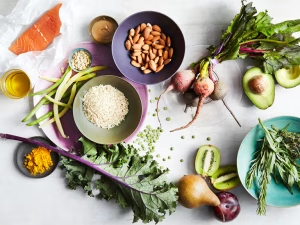
Eating a nutrient-rich diet is essential for maintaining energy, supporting immunity, and promoting overall health. Many people struggle with deficiencies because modern diets often include processed foods with low nutritional value. The good news is that adding more nutrients to your daily meals doesn’t require complicated recipes or expensive supplements. With a few simple strategies, you can make your diet more nutritious, support your well-being, and feel energized every day.
Understand What Nutrients Your Body Needs
Before making changes, it’s important to understand the types of nutrients your body needs. Nutrients fall into two categories: macronutrients and micronutrients.
Macronutrients include:
- Carbohydrates: Your body’s main source of energy. Opt for complex carbs like whole grains, oats, and vegetables.
- Protein: Supports muscle repair, hormone production, and immunity. Include lean meats, eggs, beans, tofu, and dairy.
- Fats: Healthy fats support brain health, hormone function, and absorption of vitamins. Choose sources like nuts, seeds, avocado, and olive oil.
Micronutrients include:
- Vitamins: Essential for energy, immune function, and overall metabolism. Key examples are vitamin A, C, D, and B-complex vitamins.
- Minerals: Important for bone health, nerve function, and enzyme activity. Common minerals include calcium, magnesium, iron, and zinc.
Understanding your nutritional needs allows you to focus on foods that truly make a difference in your health.
Add More Fruits and Vegetables
Fruits and vegetables are some of the easiest ways to increase your nutrient intake. They are packed with vitamins, minerals, fiber, and antioxidants that support every system in your body.
Tips to Include More Fruits and Vegetables:
- Start with Breakfast: Add berries, bananas, or spinach to your oatmeal, smoothie, or yogurt.
- Snack Smart: Keep cut veggies like carrots, cucumbers, and bell peppers ready for quick snacking.
- Color Your Plate: Aim for a variety of colors in each meal—red, green, yellow, and purple vegetables offer different nutrients.
- Experiment with Cooking: Roast, steam, or stir-fry vegetables with minimal oil to retain nutrients.
Even small additions, like a handful of spinach in your morning omelet, can significantly boost your daily nutrient intake.
Include Lean Proteins Daily
Protein is not only essential for muscle repair and growth but also helps keep you full and supports healthy metabolism. Incorporating a variety of protein sources ensures you get a mix of essential amino acids.
Protein Sources to Consider:
- Lean meats such as chicken, turkey, or fish
- Eggs and dairy products like yogurt, milk, and cheese
- Plant-based proteins including lentils, chickpeas, tofu, and edamame
- Nuts and seeds for healthy fats and protein
Practical Tips:
- Add beans or lentils to soups, salads, or stews.
- Include a protein source in every meal to maintain steady energy levels.
- Try baked or grilled fish twice a week for heart-healthy omega-3 fatty acids.
A consistent focus on protein helps balance blood sugar levels and supports overall health.
Swap Refined Carbs for Whole Grains
Refined carbohydrates like white bread, pasta, and pastries are low in nutrients and can cause energy crashes. Whole grains, on the other hand, provide fiber, B vitamins, and minerals.
Ways to Make the Swap:
- Replace white rice with brown rice, quinoa, or barley.
- Choose whole-grain bread and pasta over refined versions.
- Add oats, buckwheat, or millet to breakfast or snacks.
- Experiment with grain-based salads that mix vegetables, grains, and protein.
Whole grains provide sustained energy, aid digestion, and help you feel full longer, making it easier to maintain a nutrient-rich diet.
Don’t Forget Healthy Fats
Healthy fats are essential for absorbing fat-soluble vitamins like A, D, E, and K. They also support brain function, hormone production, and heart health.
Sources of Healthy Fats:
- Avocados
- Olive oil and other plant-based oils
- Nuts and seeds
- Fatty fish like salmon, mackerel, and sardines
Tips to Include Healthy Fats Easily:
- Drizzle olive oil over salads or roasted vegetables.
- Add a handful of nuts to oatmeal, yogurt, or salads.
- Use avocado as a spread on toast instead of butter.
- Include fatty fish in meals twice a week.
Incorporating healthy fats into your diet enhances nutrient absorption and keeps you satisfied.
Use Herbs, Spices, and Natural Flavorings
Adding flavor through herbs and spices can enhance taste without extra calories or sodium. Many herbs and spices also contain antioxidants and nutrients that support health.
Examples:
- Turmeric: Anti-inflammatory properties
- Garlic: Supports heart and immune health
- Cinnamon: Can help regulate blood sugar
- Basil, cilantro, and parsley: Add flavor and micronutrients
Practical Tips:
- Sprinkle herbs on cooked vegetables, salads, and grains.
- Use spice blends to season proteins and make meals more appealing.
- Infuse water with herbs or fruit for a flavorful, hydrating option.
Using natural flavorings makes healthy meals more enjoyable and encourages consistent eating habits.
Snack Smart With Nutrient-Dense Options
Snacks can be an opportunity to boost nutrients rather than consume empty calories. The key is to choose options high in protein, fiber, vitamins, and minerals.
Nutrient-Dense Snack Ideas:
- Fresh fruit with a handful of nuts
- Greek yogurt with berries and seeds
- Veggies with hummus or guacamole
- Whole-grain crackers with cheese or nut butter
Tips:
- Pre-portion snacks to avoid overeating.
- Keep healthy snacks visible and easily accessible.
- Swap sugary treats for naturally sweet options like fruits or dried fruit (in moderation).
Smart snacking supports energy, prevents overeating at meals, and adds extra nutrients to your diet.
Make Simple Swaps in Everyday Meals
Small substitutions can significantly increase your nutrient intake without overhauling your diet.
Examples of Easy Swaps:
- Replace sugary cereals with oatmeal or whole-grain cereal.
- Swap soda or sugary drinks with water, herbal tea, or infused water.
- Use Greek yogurt instead of sour cream in recipes.
- Add spinach, kale, or other greens to soups, pasta, or sandwiches.
Gradual, consistent swaps are easier to maintain than drastic changes, making healthy eating more achievable.
Stay Hydrated and Include Nutrient-Rich Beverages
Drinking the right fluids can complement your nutrient intake. Water is essential, but other beverages can provide vitamins and minerals.
Healthy Beverage Options:
- Herbal teas rich in antioxidants
- Smoothies with fruits, vegetables, and protein
- Fortified plant-based milks for calcium and vitamin D
Tips:
- Avoid excessive sugary drinks and sodas.
- Include at least 6–8 glasses of water daily.
- Make hydration a habit by keeping a water bottle nearby.
Hydration supports digestion, energy, and overall nutrient absorption.
Combine Nutrition With Lifestyle Habits
Nutrients work best when paired with healthy habits. Eating a nutrient-rich diet alongside regular exercise, adequate sleep, and stress management maximizes benefits.
Simple Lifestyle Tips:
- Exercise regularly to improve metabolism and nutrient utilization.
- Prioritize 7–8 hours of sleep to support recovery and hormonal balance.
- Practice mindful eating to enjoy meals and prevent overeating.
- Manage stress with meditation, deep breathing, or light activity.
By integrating lifestyle habits, you enhance the effectiveness of your nutrient-rich diet and support long-term health.
Conclusion
Incorporating more nutrients into your diet doesn’t have to be complicated or overwhelming. By understanding your body’s needs, adding fruits, vegetables, lean proteins, whole grains, and healthy fats, and making simple swaps, you can significantly improve your nutrition. Smart snacking, using herbs and spices, staying hydrated, and pairing nutrition with healthy lifestyle habits ensures a sustainable approach to eating. Small, consistent changes lead to long-term benefits, including improved energy, better immunity, and overall well-being. The key is simplicity, consistency, and practicality—healthy eating should be easy, enjoyable, and accessible for everyone.
Frequently Asked Questions
1. How can I add more nutrients without cooking complicated meals?
Incorporate fruits, vegetables, nuts, seeds, and whole grains into simple meals like smoothies, salads, or overnight oats. Prepping ingredients in advance also makes healthy eating easier.
2. Are supplements necessary to get enough nutrients?
Most nutrients can be obtained from a balanced diet. Supplements may help in specific cases, but whole foods provide better absorption and additional benefits like fiber and antioxidants.
3. What are the best easy swaps to make my diet more nutrient-rich?
Replace refined grains with whole grains, sugary drinks with water or herbal tea, and add vegetables to sandwiches, soups, and pasta dishes.
4. Can snacks really help increase nutrient intake?
Yes, choosing nutrient-dense snacks like fruits, nuts, yogurt, and vegetables adds essential vitamins, minerals, and fiber to your daily intake.
5. How can I maintain nutrient-rich eating habits long-term?
Focus on small, gradual changes, plan meals, make healthy foods accessible, and pair nutrition with lifestyle habits like exercise, sleep, and stress management.