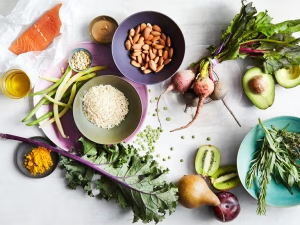
Eating healthy doesn’t have to be complicated or time-consuming. Many people feel overwhelmed by diets, calorie counting, or strict meal plans, which can make healthy eating seem intimidating. The truth is, making smart food choices can be simple, enjoyable, and sustainable. By focusing on small, practical steps, you can improve your health, boost energy, and feel better every day. This guide offers actionable tips for anyone looking to simplify their approach to nutrition without stress or confusion.
Understand Your Body’s Nutritional Needs
Healthy eating starts with understanding what your body really needs. Most people think they need strict diets or supplements, but a balanced approach works best.
Key Points to Consider:
Macronutrients Matter: Your body requires carbohydrates, protein, and fats for energy, muscle maintenance, and overall health.
- Complex carbs like oats, quinoa, and whole grains provide steady energy.
- Protein from lean meats, fish, eggs, or plant-based options supports muscles and repair.
- Healthy fats from nuts, seeds, and olive oil promote heart and brain health.
Micronutrients Are Essential: Vitamins and minerals support metabolism, immunity, and mental focus. Include fruits, vegetables, and dairy for a variety of nutrients.
Hydration Is Key: Drinking enough water enhances digestion, boosts energy, and supports overall wellness.
Understanding your needs allows you to make simple, informed choices without overcomplicating meals.
Plan Your Meals Ahead of Time
Meal planning is one of the easiest ways to eat healthy without stress. Preparing ahead saves time, reduces impulse eating, and ensures you get balanced meals throughout the day.
Practical Meal Planning Steps:
- Start Small: Plan meals for 2–3 days instead of the entire week to avoid overwhelm.
- Use Simple Ingredients: Choose ingredients that are versatile, like chicken, eggs, rice, or vegetables, so you can mix and match easily.
- Batch Cooking: Prepare larger portions of staple foods like grains or roasted vegetables to use in multiple meals.
- Create a Shopping List: Stick to your list to avoid unhealthy temptations. Include fresh produce, lean protein, whole grains, and healthy snacks.
Meal planning doesn’t have to be complicated; even small efforts make a big difference.
Make Healthy Foods Accessible
Healthy eating becomes much easier when nutritious foods are available and convenient. If junk food is easy to grab, you’re more likely to eat it.
Tips for Accessibility:
- Stock Your Pantry Smartly: Keep whole grains, canned beans, nuts, and seeds on hand.
- Prep Fruits and Vegetables: Wash, chop, and store them in clear containers for easy snacking or cooking.
- Keep Healthy Snacks Visible: Place fruits or trail mix on the counter rather than hiding them in the fridge.
- Limit Unhealthy Foods at Home: If candy, chips, or sugary drinks are out of sight, you’ll be less tempted.
When healthy choices are convenient and accessible, eating well becomes second nature.
Focus on Simple, Balanced Meals
Eating healthy doesn’t mean eating perfectly. Aim for balanced meals that are satisfying and nutritious without overthinking every calorie.
Balanced Meal Guidelines:
- Half Your Plate With Vegetables: Include a variety of colors to get different nutrients.
- One Quarter Protein: Lean meats, fish, eggs, tofu, or beans.
- One Quarter Whole Grains or Complex Carbs: Brown rice, quinoa, or whole-wheat pasta.
- Add Healthy Fats: Olive oil, nuts, or avocado for satiety and flavor.
This simple structure makes meals healthy, balanced, and visually appealing without stress.
Incorporate Healthy Snacking
Snacking doesn’t have to derail your healthy eating habits. Smart snacks can prevent energy crashes and help maintain stable blood sugar levels.
Smart Snacking Tips:
- Pair Protein and Fiber: Examples include apple slices with peanut butter, hummus with carrot sticks, or Greek yogurt with berries.
- Portion Your Snacks: Pre-portion nuts or trail mix into small containers to avoid overeating.
- Choose Whole Foods: Fresh fruits, vegetables, and unsweetened yogurt are better options than packaged snacks.
- Avoid Sugar Spikes: Minimize candy, pastries, and sugary drinks that lead to energy crashes.
By snacking thoughtfully, you can stay energized and satisfied between meals.
Make Cooking Simple and Enjoyable
Cooking at home is one of the most effective ways to eat healthier, but many people feel it’s too time-consuming. The key is to simplify and make it enjoyable.
Tips for Simple Cooking:
- Stick to One-Pot Meals: Soups, stews, and stir-fries save time and minimize cleanup.
- Use Herbs and Spices: They add flavor without extra calories or processed ingredients.
- Cook in Batches: Make larger portions and store leftovers for easy meals later.
- Try Simple Cooking Techniques: Steaming, baking, or grilling are easy and preserve nutrients.
When cooking is easy and enjoyable, you’re more likely to stick to healthy eating consistently.
Gradually Replace Unhealthy Habits
Making healthy eating simple doesn’t mean changing everything at once. Small, gradual adjustments are more sustainable.
Practical Replacement Ideas:
- Swap white bread for whole-grain bread.
- Replace sugary drinks with water, herbal tea, or infused water.
- Substitute fried foods with baked or grilled options.
- Replace heavy snacks with fruits, nuts, or yogurt.
Gradual changes reduce stress, prevent feelings of deprivation, and help form lasting habits.
Stay Mindful While Eating
Mindful eating helps you enjoy your food, recognize hunger cues, and prevent overeating. This approach makes healthy eating more intuitive.
Mindful Eating Tips:
- Eat without distractions like TV or phone.
- Chew slowly and savor flavors.
- Listen to your body and stop when satisfied, not stuffed.
- Notice how different foods make you feel for better choices in the future.
Mindful eating makes healthy habits feel natural and less forced.
Combine Nutrition With Lifestyle Habits
Healthy eating works best when paired with supportive lifestyle habits. Nutrition alone isn’t enough if you neglect other aspects of health.
Lifestyle Habits to Support Nutrition:
- Stay Active: Even light exercise like walking boosts metabolism and energy.
- Get Enough Sleep: Poor sleep leads to cravings for unhealthy foods.
- Manage Stress: Stress can trigger overeating or poor food choices. Meditation, deep breathing, or short walks can help.
- Limit Alcohol and Processed Foods: These can interfere with energy levels and overall nutrition.
Combining nutrition with positive lifestyle choices maximizes health benefits and makes eating well simpler.
Conclusion
Healthy eating doesn’t have to be complicated. By understanding your body’s needs, planning meals, making nutritious foods accessible, and focusing on simple, balanced meals, you can create a sustainable approach to nutrition. Incorporating healthy snacks, simplifying cooking, gradually replacing unhealthy habits, practicing mindful eating, and pairing nutrition with positive lifestyle habits makes eating well achievable for everyone. Small, consistent steps lead to lasting results, better energy, improved focus, and overall health. The key is simplicity, consistency, and practicality—no strict diets or complicated rules required.
Frequently Asked Questions
1. How can I make healthy eating easy when I’m busy?
Meal planning, batch cooking, and keeping healthy snacks accessible make it simple to eat well even on a busy schedule. One-pot meals or pre-prepped vegetables save time.
2. Can snacking be part of a healthy diet?
Yes! Healthy snacks like fruits, nuts, or yogurt prevent energy dips and keep you full between meals. Pairing protein and fiber is especially effective.
3. What are the easiest foods to keep at home for healthy eating?
Stock pantry staples like whole grains, canned beans, nuts, seeds, and frozen vegetables. Fresh fruits and vegetables should be visible and accessible.
4. How do I avoid feeling deprived while eating healthy?
Gradually replace unhealthy foods with better options, experiment with herbs and spices for flavor, and focus on balanced meals that are satisfying.
5. Is it necessary to count calories to eat healthily?
No, counting calories is not required. Focus on portion sizes, balanced meals, nutrient-rich foods, and mindful eating for simple, sustainable results.