In today’s fast-paced world, distractions are everywhere. From constant notifications to a never-ending to-do list, maintaining focus can be challenging. At the same time, anxiety has become a common issue, affecting millions of people globally. The good news is that focus and anxiety are closely linked, and developing certain skills can help you improve concentration while reducing anxious feelings. In this article, we’ll explore practical, everyday skills that anyone can use to regain control over their mind and enhance productivity.
Understanding Focus and Anxiety
Before learning specific skills, it’s important to understand what focus and anxiety really mean.
Focus is the ability to direct your attention toward a specific task without being easily distracted. Good focus improves efficiency, helps you learn faster, and allows you to accomplish goals effectively.
Anxiety is a feeling of worry or unease about future events. While occasional anxiety is normal, excessive or persistent anxiety can interfere with daily life and mental performance.
By improving focus, you naturally reduce anxious thoughts, as a clear, organized mind is less prone to worry. Conversely, managing anxiety can help sharpen focus, creating a positive cycle.
Skill 1: Mindfulness and Meditation
Mindfulness and meditation are proven skills that enhance concentration and reduce anxiety. By training your mind to stay in the present, you stop it from wandering into negative or stressful thoughts.
How to Practice Mindfulness
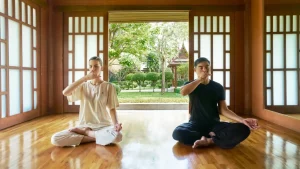
- Mindful Breathing: Focus on your breath for a few minutes each day. Notice the sensation of air entering and leaving your lungs.
- Body Scan Meditation: Pay attention to sensations in different parts of your body, releasing tension as you go.
- Mindful Observation: Choose an object or sound and focus on it completely. This trains your brain to stay attentive.
Even ten minutes a day of mindfulness can improve focus and calm anxious feelings.
Skill 2: Time Management Techniques
Poor time management often leads to stress and scattered attention. Learning how to organize your time effectively is crucial for focus and reducing anxiety.
Time Management Skills
- Pomodoro Technique: Work for 25 minutes, then take a 5-minute break. This keeps your mind fresh and focused.
- Prioritize Tasks: Use tools like the Eisenhower Matrix to focus on important and urgent tasks first.
- Set Boundaries: Limit distractions by turning off notifications or setting specific work hours.
- Batch Similar Tasks: Grouping similar activities reduces mental switching and enhances efficiency.
By controlling your time, you create a sense of order, which directly reduces feelings of overwhelm and anxiety.
Skill 3: Deep Work and Single-Tasking
Multitasking might feel productive, but it actually reduces focus and increases stress. Learning to concentrate on one task at a time—also called deep work—improves mental clarity.
Tips for Deep Work
- Create a Dedicated Workspace: Find a quiet, clutter-free area for focused tasks.
- Limit Interruptions: Inform others when you need uninterrupted work time.
- Set Specific Goals: Define what you want to achieve in each work session.
- Use Timers: Work in timed intervals to maintain concentration without fatigue.
Single-tasking allows your brain to focus completely, reducing cognitive overload and anxiety caused by juggling multiple tasks.
Skill 4: Cognitive Behavioral Techniques
Cognitive Behavioral Therapy (CBT) techniques can be applied in daily life to control anxious thoughts and improve focus.
CBT Skills for Daily Life
- Thought Journaling: Write down anxious or distracting thoughts. Challenge them with logic or evidence.
- Cognitive Reframing: Replace negative thoughts like “I can’t do this” with positive alternatives such as “I’ll try my best.”
- Exposure to Stressors Gradually: Facing small challenges systematically reduces anxiety over time.
By practicing these techniques, you can manage mental distractions and stay more focused on the present task.
Skill 5: Physical Exercise
Physical activity is not just good for the body; it’s one of the best ways to boost focus and relieve anxiety. Exercise stimulates endorphin production, which improves mood and mental clarity.
Exercise Tips for Focus and Anxiety
- Aerobic Activities: Running, cycling, or brisk walking reduces stress hormones.
- Strength Training: Lifting weights or resistance exercises can improve cognitive function.
- Mind-Body Exercises: Yoga, Tai Chi, or Pilates combines movement and mindfulness, enhancing mental control.
- Consistency is Key: Aim for at least 30 minutes of activity most days of the week.
Even short bursts of exercise during the day can reset your mind, improve attention, and calm anxious thoughts.
Skill 6: Sleep Optimization
Lack of sleep is a major contributor to poor focus and heightened anxiety. Developing good sleep habits is essential for mental balance.
Tips to Improve Sleep
- Set a Consistent Schedule: Go to bed and wake up at the same time every day.
- Create a Relaxing Bedtime Routine: Avoid screens, caffeine, or heavy meals before sleep.
- Optimize Your Sleep Environment: Keep your room dark, quiet, and cool.
- Limit Naps: Long daytime naps can interfere with nighttime sleep.
A well-rested brain is sharper, less prone to distractions, and better equipped to manage stress.
Skill 7: Nutrition for Mental Clarity
What you eat can directly impact your focus and anxiety levels. A balanced diet provides essential nutrients that support brain function and emotional stability.
Nutrition Tips
- Include Omega-3 Fatty Acids: Found in fish, chia seeds, and flaxseeds, these support brain health.
- Limit Processed Foods: High sugar and processed foods can cause energy spikes and crashes, affecting focus.
- Stay Hydrated: Dehydration can impair concentration and increase anxiety.
- Eat Balanced Meals: Include protein, healthy fats, and complex carbs to maintain steady energy levels.
Proper nutrition fuels your mind, helping you maintain focus while reducing irritability and anxiety.
Skill 8: Breathing and Relaxation Techniques
Breathing exercises are simple yet powerful tools to calm anxiety and regain mental focus. They activate the parasympathetic nervous system, reducing stress.
Effective Breathing Techniques
- Box Breathing: Inhale for 4 seconds, hold for 4, exhale for 4, hold for 4. Repeat.
- 4-7-8 Breathing: Inhale for 4 seconds, hold for 7, exhale for 8. Ideal before sleep or stressful situations.
- Diaphragmatic Breathing: Breathe deeply using your diaphragm instead of shallow chest breathing.
Incorporating a few minutes of breathing exercises daily can reset your nervous system and enhance focus.
Skill 9: Limiting Digital Distractions
Digital distractions are a major barrier to focus and a common source of anxiety. Social media, notifications, and constant emails can fragment your attention.
Strategies to Reduce Digital Distractions
- Turn Off Non-Essential Notifications: Only allow alerts that are critical.
- Use Productivity Apps: Tools like Forest or Focus@Will encourage sustained attention.
- Designate Tech-Free Time: Set specific periods during the day to unplug and recharge.
- Batch Check Emails: Avoid constant email checking; instead, schedule specific times to review messages.
By controlling your digital environment, you create mental space for focus and reduce anxiety caused by constant information overload.
Skill 10: Developing a Growth Mindset
A growth mindset allows you to view challenges as opportunities rather than threats. This attitude reduces anxiety and enhances focus by shifting your perspective.
How to Cultivate a Growth Mindset
- Embrace Challenges: See difficult tasks as chances to learn and grow.
- Celebrate Effort, Not Just Results: Focus on the progress you make rather than only the outcome.
- Learn from Mistakes: Treat failures as lessons, not reasons to give up.
- Surround Yourself with Positivity: Engage with people and resources that encourage learning and growth.
With a growth mindset, distractions and anxiety lose their power, allowing you to concentrate on solutions and improvement.
Conclusion
Improving focus and reducing anxiety is not about quick fixes; it’s about developing practical skills and incorporating them into your daily life. Mindfulness, time management, deep work, physical exercise, good nutrition, sleep optimization, and breathing techniques all contribute to a sharper, calmer mind. By consistently practicing these skills, you can improve mental clarity, enhance productivity, and navigate life with less stress and anxiety. Start small, remain consistent, and gradually, you’ll notice meaningful changes in both focus and emotional well-being.
FAQs
1. Can focus and anxiety be improved without professional help?
Yes, many people improve focus and reduce anxiety through daily habits, mindfulness, exercise, and proper sleep. However, persistent or severe anxiety may require professional guidance.
2. How long does it take to see results from these skills?
Consistency is key. Most people notice improvements in focus and reduced anxiety within a few weeks of practicing these techniques regularly.
3. Can exercise alone reduce anxiety?
Exercise is highly effective for reducing anxiety and improving focus, but combining it with other skills like mindfulness, sleep, and time management produces the best results.
4. Are digital detoxes necessary for everyone?
While not mandatory, limiting screen time helps prevent mental fatigue and improves focus, especially for people constantly exposed to notifications and social media.
5. Can breathing exercises really help in stressful situations?
Absolutely. Breathing techniques activate the parasympathetic nervous system, reducing stress, calming the mind, and restoring focus almost immediately.