Life is full of stressful situations, whether it’s meeting deadlines at work, handling personal challenges, or facing unexpected events. How we respond to these pressures can make a significant difference in our mental well-being, performance, and overall health. Developing simple mental skills to stay calm under pressure is not just helpful—it’s essential for maintaining clarity and making better decisions. In this article, we’ll explore practical, actionable techniques anyone can use to manage stress, enhance focus, and remain composed even in challenging circumstances.
Understanding Stress and Pressure
Before learning how to stay calm, it’s important to understand what stress and pressure are. Stress is the body’s response to perceived threats or demands, triggering a “fight or flight” reaction. While moderate stress can motivate us to perform better, excessive stress can overwhelm the mind, impair decision-making, and affect emotional balance.
Pressure often comes from external expectations—work deadlines, social obligations, or high-stakes situations. Developing mental skills to remain calm under pressure involves controlling emotional responses, improving focus, and approaching challenges thoughtfully rather than reacting impulsively.
Skill 1: Mindful Breathing
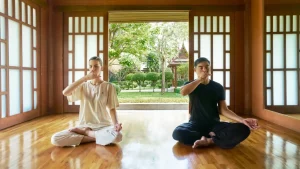
Mindful breathing is one of the simplest and most effective techniques to regain calm in stressful situations. By focusing on the breath, you activate the body’s relaxation response and reduce anxiety.
How to Practice Mindful Breathing
- Find a Comfortable Position: Sit or stand in a relaxed posture.
- Focus on Your Breath: Inhale deeply through your nose, feeling your lungs expand.
- Exhale Slowly: Release air gradually while letting go of tension.
- Count Your Breaths: Try inhaling for 4 counts, holding for 4, exhaling for 6.
- Repeat for a Few Minutes: Bring your attention back to the breath whenever your mind wanders.
Even a few minutes of mindful breathing can reduce heart rate, lower stress hormones, and help you think clearly under pressure.
Skill 2: Positive Self-Talk
The way you talk to yourself in stressful situations significantly affects your ability to stay calm. Negative or self-critical thoughts can intensify pressure, while positive self-talk can boost confidence and control.
Techniques for Positive Self-Talk
- Replace Negative Thoughts: Turn “I can’t handle this” into “I can do this step by step.”
- Use Affirmations: Simple statements like “I remain calm under pressure” reinforce mental stability.
- Visualize Success: Imagine handling the situation effectively to boost confidence and reduce fear.
- Focus on Strengths: Remind yourself of past successes and coping skills.
Positive self-talk trains the mind to approach challenges calmly, rather than reacting with panic or frustration.
Skill 3: Visualization and Mental Rehearsal
Visualization is a mental technique used by athletes, performers, and leaders to prepare for high-pressure situations. By imagining yourself handling stress successfully, you train your mind to respond calmly in real-life scenarios.
How to Use Visualization
- Close your eyes and picture the stressful scenario clearly.
- Visualize yourself responding calmly, thinking clearly, and achieving a positive outcome.
- Repeat the exercise regularly, especially before known high-pressure events.
Visualization strengthens confidence, reduces anxiety, and improves focus during real challenges.
Skill 4: Cognitive Reframing
Cognitive reframing is the practice of changing the way you perceive a stressful situation. By interpreting challenges differently, you reduce emotional intensity and maintain calm.
Steps to Reframe Your Thoughts
- Identify Stressful Thoughts: Notice thoughts that create pressure or panic.
- Ask for Evidence: Determine if these thoughts are based on facts or assumptions.
- Reframe the Situation: Shift perspective—view challenges as opportunities to learn rather than threats.
- Focus on What You Can Control: Let go of factors beyond your influence.
Cognitive reframing transforms stress into motivation and reduces emotional reactivity.
Skill 5: Break Tasks into Manageable Steps
Feeling overwhelmed often leads to panic and mental pressure. Breaking tasks into smaller, achievable steps helps maintain calm and focus.
How to Apply This Technique
- List all tasks you need to accomplish.
- Prioritize based on urgency and importance.
- Divide large tasks into smaller, manageable chunks.
- Focus on completing one step at a time.
This approach reduces anxiety, enhances concentration, and makes challenging situations more manageable.
Skill 6: Grounding Techniques
Grounding techniques help anchor your attention in the present moment, reducing anxiety and racing thoughts. These methods are particularly useful in acute stressful situations.
Examples of Grounding Techniques
- 5-4-3-2-1 Technique: Identify 5 things you see, 4 things you feel, 3 things you hear, 2 things you smell, and 1 thing you taste.
- Physical Sensation Focus: Press your feet into the floor or touch a textured object to reconnect with your body.
- Describe Your Surroundings: Mentally note objects and details around you to shift attention away from stress.
Grounding exercises interrupt negative thought patterns, helping you regain control and mental clarity.
Skill 7: Emotional Regulation
Staying calm under pressure requires the ability to regulate emotions effectively. Emotional regulation involves recognizing feelings without being overwhelmed by them and responding thoughtfully.
Strategies for Emotional Regulation
- Pause and Breathe: Take a moment before reacting to intense emotions.
- Label Emotions: Identify feelings such as frustration, fear, or anxiety to reduce their intensity.
- Express Emotions Constructively: Use journaling, talking with a trusted person, or physical activity to release tension.
- Practice Self-Compassion: Be kind to yourself during stressful moments, avoiding harsh self-criticism.
Emotional regulation prevents panic, promotes rational thinking, and maintains composure.
Skill 8: Focus and Attention Training
Enhancing focus allows you to stay present and respond effectively rather than being distracted by pressure. Mind-training exercises improve attention and mental endurance.
Techniques for Focus Training
- Meditation: Daily meditation strengthens concentration and mental control.
- Single-Tasking: Focus on one task at a time instead of multitasking to prevent mental overload.
- Timed Intervals: Use techniques like the Pomodoro method to maintain sustained attention.
- Mental Exercises: Activities like puzzles, reading, or brain games improve cognitive resilience.
Stronger focus helps you prioritize actions and reduces stress in high-pressure situations.
Skill 9: Stress-Relief Physical Techniques
Physical techniques can complement mental skills, as the mind and body are interconnected. Releasing tension physically supports calmness under pressure.
Effective Physical Techniques
- Progressive Muscle Relaxation: Tense and release different muscle groups to relieve stress.
- Stretching or Yoga: Loosens physical tension while promoting mental calmness.
- Exercise Breaks: Short walks or light activity release endorphins and reset focus.
- Deep Breathing: Combines mental and physical relaxation for immediate calm.
Incorporating these physical techniques into your routine enhances overall resilience to stress.
Skill 10: Preparation and Planning
Preparation reduces uncertainty—the primary cause of stress and pressure. Being organized and anticipating challenges improves confidence and calmness.
Tips for Effective Planning
- Anticipate Challenges: Identify potential obstacles and prepare strategies in advance.
- Set Realistic Goals: Avoid overcommitting and prioritize what truly matters.
- Organize Resources: Ensure everything you need is ready before high-pressure tasks.
- Practice Scenarios: Mentally rehearse difficult situations to build readiness and reduce anxiety.
Preparation transforms pressure into manageable, actionable steps, keeping your mind steady.
Conclusion
Staying calm under pressure is a skill that can be developed with practice. By incorporating mindful breathing, positive self-talk, visualization, cognitive reframing, task management, grounding, emotional regulation, focus training, physical relaxation, and preparation, you can maintain composure even in the most challenging situations. These techniques improve mental clarity, reduce anxiety, and enhance overall resilience. Start small, practice consistently, and gradually, you’ll notice a calmer, more confident approach to life’s pressures.
FAQs
1. How quickly can these mental skills help me stay calm?
Many techniques, like mindful breathing and grounding, can provide immediate relief. Long-term practice strengthens resilience and improves responses over time.
2. Can these skills be applied at work or school?
Yes. Techniques such as deep breathing, positive self-talk, and task management are discreet and effective in professional or academic settings.
3. Do I need to practice all techniques at once?
No. Start with one or two skills that resonate with you, then gradually incorporate more over time for sustainable results.
4. Can children or teens use these skills?
Absolutely. Simplified versions of mindfulness, positive self-talk, and grounding techniques help young individuals manage stress and pressure effectively.
5. Are these skills effective for chronic stress?
Yes, when practiced consistently. However, severe or prolonged stress may also require professional guidance alongside these strategies.