Eating well doesn’t have to be complicated. In fact, making smart nutrition choices can be simple, practical, and sustainable. I’ve personally struggled with confusing diet trends, late-night snacking, and busy schedules—but learning to focus on smart, everyday choices transformed my health, energy, and mood.
In this guide, I’ll share practical tips, real-life strategies, and actionable advice to help you make nutrition-smart choices every day—without counting every calorie or following restrictive diets.
Why Nutrition Smart Choices Matter
Your food choices affect your energy, mood, and long-term health. Being mindful about nutrition helps you:
-
Maintain a healthy weight – Smart choices prevent excessive calorie intake while keeping you satisfied.
-
Boost energy and focus – Balanced meals fuel your body and brain throughout the day.
-
Strengthen immunity – Nutrient-rich foods support your body’s natural defenses.
-
Reduce risk of chronic diseases – Heart disease, diabetes, and high blood pressure are closely linked to diet.
-
Improve digestion and overall wellness – Proper nutrients support gut health and regularity.
Making small, intentional changes can have a huge cumulative impact on your overall health.
Principles of Smart Nutrition
Here are the key strategies I use to make nutrition simple, sustainable, and effective:
1. Prioritize Whole Foods
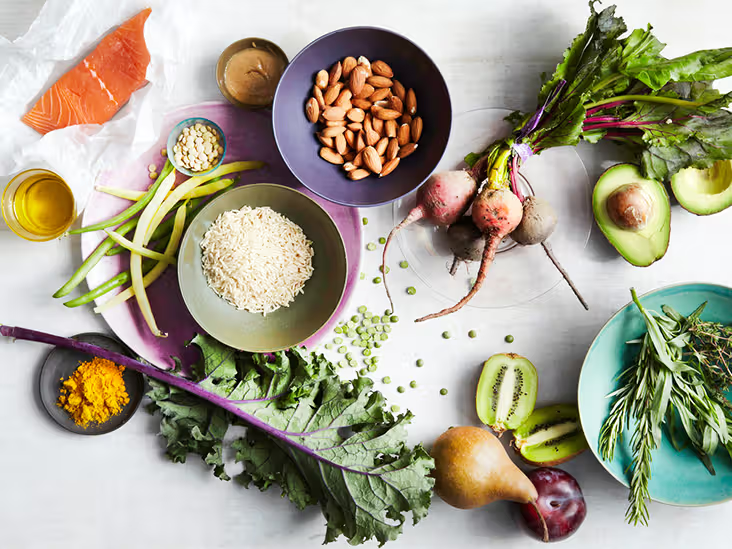
Focus on minimally processed foods like:
-
Fruits and vegetables
-
Whole grains (brown rice, oats, quinoa)
-
Lean proteins (chicken, fish, eggs, beans)
-
Healthy fats (avocado, nuts, olive oil)
Tip: Whole foods are nutrient-dense and keep you full longer, reducing unhealthy snacking.
2. Balance Your Plate
A balanced plate is simple to visualize:
-
Half your plate: Vegetables and fruits
-
Quarter: Lean protein
-
Quarter: Whole grains or complex carbs
-
Add healthy fats like olive oil, avocado, or seeds
This approach ensures you get essential nutrients without overcomplicating meal planning.
3. Mindful Eating
Being aware while you eat prevents overeating and improves digestion:
-
Eat slowly and savor each bite
-
Avoid distractions like phones or TV during meals
-
Listen to your body’s hunger and fullness cues
Personal insight: Mindful eating helped me stop snacking out of boredom and improve my digestion.
4. Smart Snacking
Snacking isn’t bad—it becomes unhealthy when it’s processed or sugary. Smart snack ideas include:
-
Fresh fruit with nut butter
-
Greek yogurt with berries
-
Raw nuts and seeds
-
Veggie sticks with hummus
Tip: Keep healthy snacks visible and convenient for quick access.
5. Hydration Matters
Water affects energy, digestion, and concentration. Simple tips for staying hydrated:
-
Drink a glass of water first thing in the morning
-
Keep a water bottle handy throughout the day
-
Add slices of lemon or cucumber for flavor
Mistake to avoid: Replacing water with sugary drinks or energy drinks—they spike blood sugar and reduce hydration.
Simple Nutrition Smart Choices in Daily Life
Here are examples of how I apply these principles daily:
-
Breakfast: Overnight oats with chia seeds and berries → fiber + protein + antioxidants
-
Lunch: Grilled chicken salad with colorful vegetables → lean protein + vitamins + minerals
-
Snack: Apple slices with almond butter → natural sugars + healthy fat for satiety
-
Dinner: Baked salmon with quinoa and roasted vegetables → omega-3 + complex carbs + fiber
-
Hydration: Water throughout the day with herbal teas for variety
By sticking to simple, balanced choices, I feel more energized and less reliant on caffeine or sugary snacks.
Practical Tips for Making Smart Nutrition Choices
-
Plan meals in advance: Reduces last-minute unhealthy choices.
-
Cook at home: You control ingredients, portion sizes, and seasoning.
-
Shop smart: Stick to the perimeter of the grocery store for fresh produce, protein, and dairy.
-
Use smaller plates: Helps manage portion sizes without feeling deprived.
-
Allow flexibility: Occasional indulgences are okay—balance is key, not perfection.
Common mistakes to avoid:
-
Following fad diets without long-term sustainability
-
Skipping meals, which leads to overeating later
-
Ignoring portion control, even with healthy foods
Examples of Nutrition Smart Swaps
| Less Healthy Option | Smart Swap |
|---|---|
| White bread | Whole grain bread |
| Sugary cereal | Oats with fresh fruit |
| Soda | Sparkling water with lemon |
| Fried snacks | Roasted nuts or air-popped popcorn |
| Ice cream | Greek yogurt with berries |
Small swaps like these make a big difference over time.
FAQs About Nutrition Smart Choices
1. Do I need to count calories to eat smart?
Not necessarily. Focus on whole foods, balanced meals, and portion control—calorie counting is optional.
2. How can I avoid unhealthy cravings?
Keep healthy snacks available, drink water, and practice mindful eating to identify true hunger.
3. Is it okay to indulge occasionally?
Yes! Balance is key. Occasional treats don’t derail healthy habits if most meals are smart choices.
4. Can smart nutrition help with weight loss?
Absolutely. Choosing nutrient-dense foods and proper portions naturally supports weight management.
5. How can I stick to smart choices while busy?
Batch cooking, prepping snacks in advance, and keeping simple meal options ready make consistency easy.
Conclusion: Build a Healthier You Through Smart Choices
Nutrition doesn’t have to be overwhelming. By making simple, smart choices every day, you can fuel your body, improve energy, support long-term health, and feel better overall.
Start small: swap one processed snack for fruit, add an extra vegetable to your lunch, or drink a glass of water before meals. Gradually, these changes compound into lasting, healthy habits.
Remember: Smart nutrition is about balance, consistency, and practical choices—not perfection. Your health improves one decision at a time.