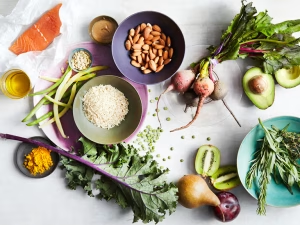
Eating healthy doesn’t need to be complicated or stressful. In 2026, with busy schedules, endless diet trends, and the rise of processed foods, making smart nutrition choices is essential for boosting energy, improving health, and maintaining a balanced lifestyle. The key is to focus on simple, practical strategies that anyone can follow—without confusion or overwhelming restrictions.
This guide provides actionable, everyday tips to help you eat healthier, feel better, and enjoy your meals.
Why Smart Nutrition Matters
Good nutrition is the foundation of overall health:
-
Energy & Focus: Proper nutrients fuel your body and brain.
-
Weight Management: Balanced meals prevent unhealthy weight gain.
-
Immune Support: Vitamins and minerals strengthen your body’s defenses.
-
Long-Term Health: Reduces the risk of chronic diseases such as diabetes, heart disease, and obesity.
Even small, consistent improvements in eating habits can lead to significant long-term benefits.
1. Prioritize Whole, Unprocessed Foods
Whole foods provide more nutrients and fewer harmful additives than processed alternatives.
Tips:
-
Fill your plate with vegetables, fruits, whole grains, and lean proteins.
-
Replace sugary snacks with nuts, seeds, or fresh fruit.
-
Choose natural, minimally processed options whenever possible.
Pro Tip: Shopping the perimeter of the grocery store often helps you select fresh, whole ingredients.
2. Plan Your Meals Ahead
Planning reduces stress and helps ensure balanced nutrition.
How to Plan Smartly:
-
Prepare a weekly menu with breakfast, lunch, dinner, and snacks.
-
Batch-cook staples like rice, beans, and roasted vegetables.
-
Keep easy-to-grab options for busy days.
Benefit: Meal planning minimizes last-minute unhealthy choices.
3. Focus on Balanced Plates
Eating balanced meals stabilizes energy levels and prevents cravings.
Simple Guidelines:
-
Half your plate: Vegetables and fruits
-
One-quarter: Lean proteins (chicken, fish, eggs, beans)
-
One-quarter: Whole grains or starchy vegetables
-
Add healthy fats: Olive oil, avocado, nuts, or seeds
Tip: Visual portioning makes healthy eating simple without weighing or counting calories.
4. Snack Smart
Snacks can support energy and nutrition if chosen wisely.
Healthy Snack Ideas:
-
Fresh fruit with nut butter
-
Veggie sticks with hummus
-
Greek yogurt with berries
-
Whole-grain crackers with cheese
Pro Tip: Keep healthy snacks visible and accessible to reduce the temptation of processed foods.
5. Hydrate Effectively
Water is essential for digestion, metabolism, and energy.
Tips:
-
Drink 6–8 glasses of water daily.
-
Start your day with a glass of water to energize your body.
-
Replace sugary drinks with water or herbal teas.
-
Add natural flavor with lemon, cucumber, or herbs.
Benefit: Proper hydration improves focus, reduces fatigue, and supports overall health.
6. Make Small, Sustainable Changes
Gradual adjustments are easier to maintain than drastic diets.
Simple Swaps:
-
White bread → whole-grain bread
-
Soda → sparkling water or herbal tea
-
Creamy sauces → yogurt-based alternatives
-
Fried foods → baked, grilled, or steamed versions
Tip: Small changes add up over time, making healthy eating sustainable and stress-free.
7. Practice Mindful Eating
Mindful eating improves digestion, satisfaction, and portion control.
How to Practice:
-
Eat slowly and savor each bite.
-
Reduce distractions like TV or phones while eating.
-
Listen to hunger and fullness cues.
-
Appreciate the taste, texture, and aroma of your food.
Benefit: Mindful eating prevents overeating and enhances your relationship with food.
8. Stay Consistent, Not Perfect
Nutrition isn’t about perfection—it’s about consistency.
Tips:
-
Focus on making mostly healthy choices, but enjoy occasional treats.
-
Track progress without stress; small wins count.
-
Use weekly meal prep as a tool, not a rule.
Pro Tip: Avoid guilt over minor indulgences; consistency over time is what matters most.
Frequently Asked Questions (FAQs)
1. How can I eat healthier without feeling restricted?
Focus on whole foods, balanced plates, and gradual swaps instead of drastic diets. Enjoy treats occasionally to maintain satisfaction.
2. Are meal plans necessary to eat well?
Not mandatory, but planning reduces stress, ensures balanced nutrition, and helps prevent last-minute unhealthy choices.
3. Can snacks really support healthy eating?
Yes. Smart snacks provide energy, stabilize blood sugar, and prevent overeating at meals.
4. How important is hydration for nutrition?
Very important. Water aids digestion, metabolism, and cognitive function. It also helps control appetite.
5. How do I start if I’m new to healthy eating?
Start with small, manageable changes like adding vegetables to meals, drinking more water, or swapping processed snacks for whole foods.
Final Thoughts
Smart nutrition is about simplicity, consistency, and mindful choices. By focusing on whole foods, balanced meals, hydration, mindful eating, and gradual improvements, you can eat healthier without stress or confusion.
In 2026, healthy eating is less about strict rules and more about practical, everyday strategies that fit your lifestyle. Small, consistent actions lead to better energy, improved health, and lasting well-being—without complicated diets or overwhelming routines.