Have you ever slept for eight hours but still felt exhausted? Or pushed through the day with caffeine only to crash in the afternoon? The connection between sleep and energy is deeper than most people realize. True energy doesn’t come from coffee or sugar—it comes from quality sleep and balanced daily habits.
Sleep energy balance means aligning your rest, activity, nutrition, and stress levels so your body can produce steady, natural energy throughout the day. When sleep is disrupted, everything else suffers—focus, mood, metabolism, immunity, and even decision-making.
In this comprehensive guide, you’ll learn how sleep affects energy, common causes of fatigue, and practical steps to restore balance naturally.
Why Sleep Is the Foundation of Energy
Sleep is not simply “rest time.” It is an active biological process where your body:
-
Repairs tissues and muscles
-
Regulates hormones
-
Consolidates memory
-
Strengthens immunity
-
Restores brain function
When sleep is poor or insufficient, stress hormones rise while energy-regulating hormones drop. This imbalance leads to constant tiredness, irritability, sugar cravings, and poor concentration.
Most adults need 7–9 hours of quality sleep per night for optimal performance.
Signs Your Sleep and Energy Are Out of Balance
You may have a sleep energy imbalance if you experience:
-
Morning fatigue despite enough time in bed
-
Afternoon energy crashes
-
Difficulty focusing
-
Increased caffeine dependence
-
Mood swings or irritability
-
Late-night alertness
These signs indicate that your sleep quality—not just quantity—may need improvement.
The Science of the Sleep-Energy Cycle
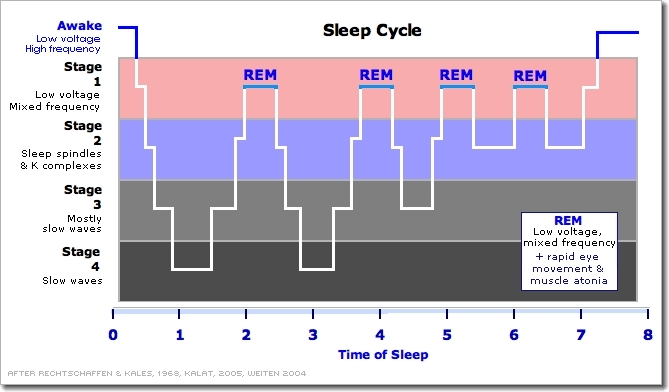
Your body operates on a natural internal clock called the circadian rhythm. This rhythm controls when you feel alert and when you feel sleepy.
Sleep occurs in cycles that include:
-
Light sleep
-
Deep sleep (physical restoration)
-
REM sleep (mental restoration and memory processing)
If these cycles are interrupted—by screens, stress, or irregular schedules—your body cannot fully recharge.
Consistent sleep timing strengthens your circadian rhythm and improves daytime energy naturally.
Common Causes of Low Energy Despite Sleeping
1. Poor Sleep Quality
Frequent awakenings, noise, or light exposure can reduce deep sleep.
2. Late-Night Screen Use
Blue light suppresses melatonin, the hormone responsible for sleep.
3. High Stress Levels
Chronic stress increases cortisol, making it difficult to relax at night.
4. Poor Nutrition
High-sugar diets cause energy spikes followed by crashes.
5. Sedentary Lifestyle
Lack of movement reduces circulation and oxygen delivery.
Identifying the root cause helps you apply the right solution.
How to Improve Sleep Quality for Better Energy

Create a Consistent Sleep Schedule
Go to bed and wake up at the same time—even on weekends.
Optimize Your Sleep Environment
Keep your bedroom cool, dark, and quiet. Use blackout curtains if needed.
Limit Screen Exposure
Turn off phones, laptops, and TVs at least one hour before bed.
Develop a Night Routine
Reading, stretching, or deep breathing signals your brain that it’s time to rest.
Avoid Heavy Meals and Caffeine at Night
Large meals and stimulants disrupt digestion and sleep cycles.
Small adjustments can dramatically improve sleep depth and morning energy.
Boosting Daytime Energy Naturally

Get Morning Sunlight
Natural light resets your circadian rhythm and increases alertness.
Eat a Balanced Breakfast
Combine protein, healthy fats, and complex carbohydrates to stabilize blood sugar.
Stay Hydrated
Dehydration causes fatigue and headaches.
Move Regularly
Short walks improve circulation and mental clarity.
Take Strategic Breaks
Working continuously reduces productivity. Short breaks restore focus.
Energy is built gradually through consistent habits—not quick fixes.
The Role of Stress in Sleep Energy Balance
Stress and sleep have a two-way relationship. Poor sleep increases stress sensitivity, and stress reduces sleep quality.
Simple Stress-Reduction Practices:
-
5–10 minutes of deep breathing
-
Light stretching before bed
-
Writing down worries in a journal
-
Limiting news or social media before sleep
Managing stress improves both emotional stability and physical energy.
When to Seek Professional Help
If you experience:
-
Persistent insomnia
-
Loud snoring or breathing pauses during sleep
-
Chronic fatigue lasting months
-
Severe daytime sleepiness
Consult a healthcare professional. Conditions like sleep apnea, thyroid imbalance, or anemia may require medical evaluation.
Early diagnosis prevents long-term complications.
Frequently Asked Questions (FAQs)
1. How many hours of sleep do adults really need?
Most adults function best with 7–9 hours of quality sleep per night. Individual needs may vary slightly.
2. Why do I feel tired even after sleeping 8 hours?
Possible causes include poor sleep quality, stress, dehydration, poor diet, or underlying medical issues.
3. Can naps help restore energy?
Short naps (20–30 minutes) can improve alertness. Long naps may disrupt nighttime sleep.
4. Does exercise improve sleep?
Yes. Regular physical activity improves sleep depth and reduces stress hormones.
5. Is caffeine harmful to sleep energy balance?
Excessive caffeine, especially in the afternoon or evening, interferes with sleep cycles and reduces overall energy stability.
Conclusion: Balance Sleep to Unlock Natural Energy
Sleep energy balance is not about sleeping longer—it’s about sleeping smarter. Quality rest fuels your brain, regulates hormones, and supports steady energy throughout the day.
By improving your sleep environment, managing stress, eating balanced meals, and staying active, you create a powerful cycle of restoration and productivity.
Start with one change tonight—perhaps turning off your phone earlier or setting a consistent bedtime. Over time, these simple habits will restore your natural energy and help you feel focused, calm, and fully alive each day.