Every day, you make dozens of food decisions—what to eat for breakfast, whether to grab a snack, how large your portions should be, or whether to cook at home or order takeout. These small choices may feel insignificant, but over time, they shape your energy levels, weight, immunity, and long-term health.
Nutrition smart choices are not about strict dieting or eliminating your favorite foods. They’re about understanding what your body needs and making balanced decisions that support both physical and mental well-being. In this comprehensive guide, you’ll learn how to build healthier eating habits, avoid common nutrition mistakes, and create a realistic plan you can maintain long term.
What Does “Nutrition Smart Choices” Really Mean?
Making smart nutrition choices means selecting foods that provide maximum nutrients with minimal harm. It focuses on balance, variety, and moderation rather than restriction.
A smart approach to nutrition:
-
Prioritizes whole, minimally processed foods
-
Balances macronutrients (carbohydrates, protein, fats)
-
Includes essential vitamins and minerals
-
Controls portion sizes
-
Supports steady energy levels
Healthy eating should feel sustainable—not stressful.
1. Build Balanced Meals Using the Plate Method

One of the easiest ways to make smart nutrition choices is by using the plate method.
A Simple Balanced Plate:
-
Half your plate: Vegetables and fruits
-
One-quarter: Lean protein (chicken, fish, beans, eggs)
-
One-quarter: Whole grains (brown rice, quinoa, whole wheat bread)
-
Small portion: Healthy fats (olive oil, nuts, avocado)
This structure helps prevent overeating and ensures your body gets essential nutrients.
Balanced meals improve digestion, stabilize blood sugar, and reduce cravings.
2. Choose Whole Foods Over Processed Options
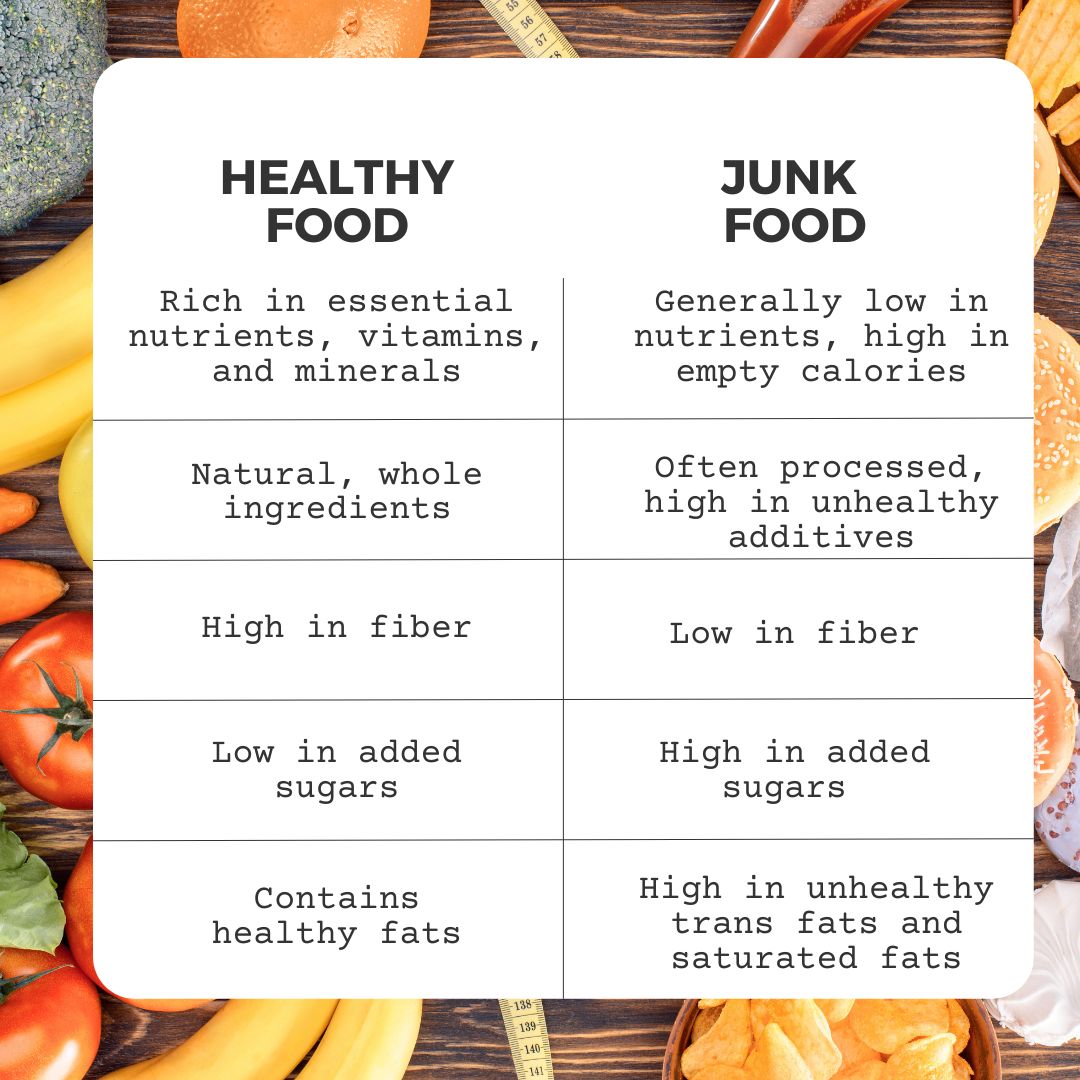
Highly processed foods often contain added sugars, unhealthy fats, and excess sodium. These ingredients contribute to weight gain, high blood pressure, and fatigue.
Smart Swaps You Can Make Today:
-
White bread → Whole grain bread
-
Sugary drinks → Water or herbal tea
-
Fried snacks → Roasted nuts
-
Sugary cereal → Oatmeal with fruit
Cooking more meals at home gives you better control over ingredients and portion sizes.
Reading food labels also helps you identify hidden sugars and excessive sodium.
3. Control Portions Without Feeling Deprived
Portion control is often more important than eliminating foods completely.
Practical Portion Tips:
-
Use smaller plates to avoid overeating
-
Avoid eating directly from large packages
-
Eat slowly and stop when satisfied
-
Listen to hunger and fullness cues
Overeating—even healthy foods—can lead to weight gain. Awareness is key.
Mindful eating reduces emotional and stress-driven eating patterns.
4. Stay Hydrated for Better Energy and Metabolism
Many people mistake thirst for hunger. Dehydration can cause headaches, fatigue, and poor concentration.
Smart Hydration Habits:
-
Drink 6–8 glasses of water daily
-
Start your morning with a glass of water
-
Carry a reusable water bottle
-
Reduce sugary beverages
Proper hydration supports digestion, skin health, and metabolic function.
5. Understand Macronutrients for Smarter Decisions
To make better nutrition choices, it helps to understand the three main macronutrients:
Carbohydrates
Provide energy. Choose complex carbs like whole grains and vegetables instead of refined sugars.
Protein
Supports muscle repair and immune function. Include lean meats, beans, lentils, dairy, or plant-based alternatives.
Healthy Fats
Essential for brain health and hormone balance. Focus on unsaturated fats from nuts, seeds, and olive oil.
Balanced meals that include all three macronutrients help prevent blood sugar spikes and crashes.
6. Plan Ahead to Avoid Unhealthy Impulse Choices
Lack of planning often leads to fast food or processed snacks.
Simple Meal Planning Tips:
-
Prepare a weekly grocery list
-
Cook in batches for busy days
-
Keep healthy snacks available (fruit, yogurt, nuts)
-
Avoid grocery shopping while hungry
When healthy options are easily accessible, smart decisions become easier.
7. Support Mental Health Through Nutrition
What you eat affects how you feel. Diets high in sugar and processed foods are linked to mood swings and fatigue.
Mood-Boosting Nutrients:
-
Omega-3 fatty acids (fish, walnuts)
-
B vitamins (whole grains, leafy greens)
-
Magnesium (nuts, seeds)
-
Fiber (vegetables, fruits, legumes)
Stable blood sugar levels support emotional balance and focus.
8. Avoid Extreme Diet Trends
Crash diets promise quick results but often slow metabolism and lead to rebound weight gain.
Instead of extreme restrictions:
-
Aim for gradual improvements
-
Focus on long-term sustainability
-
Seek advice from qualified nutrition professionals if needed
Healthy eating should enhance your life—not create stress.
Frequently Asked Questions (FAQs)
1. How can I start making smart nutrition choices today?
Begin with one simple change, such as adding more vegetables to meals or reducing sugary drinks. Small consistent steps create lasting results.
2. Are carbohydrates bad for health?
No. Carbohydrates are essential for energy. The key is choosing complex carbs like whole grains instead of refined sugars.
3. How important is breakfast?
A balanced breakfast helps stabilize blood sugar and improve focus. However, quality matters more than simply eating early.
4. Can healthy eating improve energy levels?
Yes. Balanced meals prevent energy crashes caused by sugar spikes and nutrient deficiencies.
5. Do I need supplements?
Most people can meet nutritional needs through a balanced diet. Supplements should only be used if recommended by a healthcare professional.
Conclusion: Smart Choices Create Lifelong Health
Nutrition smart choices are not about perfection—they’re about awareness, balance, and consistency. By focusing on whole foods, portion control, hydration, and meal planning, you can improve energy, protect against chronic diseases, and support mental well-being.
Healthy eating is a daily decision. Each smart choice adds up over time. Start with one improvement today, and build from there. Your body—and your future self—will thank you.