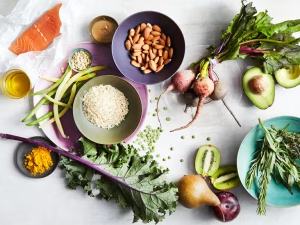
In today’s world, where fast food, processed snacks, and sugary beverages are so easily accessible, making smart nutrition choices is more important than ever. The food we eat not only fuels our bodies but also plays a vital role in maintaining our health, energy levels, and overall well-being. However, with so much conflicting advice about diets, nutrition, and superfoods, it can be difficult to know what really constitutes a smart choice.
This article will explore the importance of making nutrition smart choices, provide practical tips for improving your eating habits, and help you make healthier decisions that align with your lifestyle. By understanding the fundamentals of nutrition and how to apply them in daily life, you can enhance your health and prevent chronic diseases.
Why Nutrition Smart Choices Matter
Nutrition is the foundation of good health. The food you consume provides the nutrients necessary for your body to function properly. These nutrients, including proteins, fats, carbohydrates, vitamins, and minerals, support everything from your immune system and bone health to your mental clarity and energy levels.
Making smart nutrition choices means choosing foods that provide your body with the right nutrients in the right amounts, without overloading it with excess sugars, unhealthy fats, or artificial additives. By choosing whole, nutrient-dense foods over processed options, you can:
-
Improve your energy levels
-
Strengthen your immune system
-
Maintain a healthy weight
-
Boost mental clarity and focus
-
Enhance mood and emotional well-being
-
Prevent chronic diseases like heart disease, diabetes, and obesity
Smart Nutrition Choices to Make Every Day
1. Eat More Whole Foods
Whole foods are foods that are minimally processed and retain most of their natural nutrients. They are the cornerstone of a healthy diet, offering a wide range of vitamins, minerals, fiber, and antioxidants.
Smart Choices:
-
Fruits and Vegetables: Aim to fill half of your plate with fruits and vegetables. These foods are packed with essential nutrients like vitamins, minerals, and antioxidants. Opt for a variety of colorful fruits and veggies to get a broader spectrum of nutrients.
-
Whole Grains: Choose whole grains such as brown rice, quinoa, oats, and whole-wheat products over refined grains. Whole grains are high in fiber, which promotes digestive health and helps control blood sugar levels.
-
Lean Proteins: Include lean proteins like chicken, turkey, tofu, beans, and fish in your meals. These provide essential amino acids necessary for muscle repair, immune function, and overall health.
Why It Matters: Whole foods are nutrient-dense and lower in added sugars, unhealthy fats, and sodium, which makes them a better choice for maintaining long-term health.
2. Choose Healthy Fats
Not all fats are created equal. While some fats are essential for your body’s health, others can increase the risk of chronic diseases. Healthy fats support brain function, hormone balance, and cellular health.
Smart Choices:
-
Avocados: Packed with healthy monounsaturated fats, avocados are great for heart health and can help reduce bad cholesterol levels.
-
Nuts and Seeds: Almonds, walnuts, flaxseeds, and chia seeds are rich in omega-3 fatty acids, which reduce inflammation and promote brain health.
-
Olive Oil: Extra virgin olive oil is a great source of monounsaturated fats and antioxidants. Use it as a base for salads, cooking, or drizzling over dishes.
Why It Matters: Healthy fats help regulate cholesterol levels, reduce inflammation, and provide long-lasting energy. They are an essential part of a balanced diet.
3. Limit Processed and Refined Foods
Processed and refined foods are often high in unhealthy fats, added sugars, and sodium, which can lead to weight gain, increased risk of diabetes, and heart disease.
Smart Choices:
-
Whole Food Snacks: Opt for homemade snacks like trail mix (made with nuts and dried fruits), fresh fruit, or cut-up veggies with hummus. These options provide more nutrients and are lower in added sugars and unhealthy fats.
-
Limit Sugar-Sweetened Beverages: Cut back on sugary drinks like soda, sweetened coffee, and energy drinks. Instead, hydrate with water, herbal teas, or sparkling water with a splash of lemon.
Why It Matters: By avoiding processed foods, you reduce your intake of empty calories, excessive sugar, and unhealthy fats, which can all negatively impact your health in the long run.
4. Hydrate Properly
Water is crucial for almost every function in the body, from regulating body temperature to aiding in digestion and nutrient absorption. Many people underestimate the importance of hydration and may unknowingly confuse thirst with hunger, leading to overeating.
Smart Choices:
-
Drink Water: Aim for at least 8 glasses of water a day, or more if you are physically active. Keep a water bottle with you to remind yourself to hydrate throughout the day.
-
Infuse Water: If plain water feels boring, infuse it with fruits, vegetables, or herbs, such as cucumber, lemon, mint, or berries, to add flavor without extra sugar.
-
Limit Sugary Drinks: Avoid sugary sodas, energy drinks, and sweetened teas, as they provide empty calories and contribute to weight gain and metabolic issues.
Why It Matters: Staying hydrated helps improve digestion, boost energy, and support healthy skin and organ function.
5. Watch Portion Sizes
Portion control is one of the easiest ways to maintain a healthy weight. Overeating, even healthy foods, can lead to weight gain over time. It’s important to listen to your body’s hunger and fullness cues and avoid eating out of habit or boredom.
Smart Choices:
-
Use Smaller Plates: Using smaller plates can help you naturally reduce portion sizes without feeling deprived.
-
Eat Mindfully: Take your time while eating and focus on the flavors and textures of your food. Avoid distractions like television or smartphones to stay present during meals.
-
Don’t Skip Meals: Skipping meals can lead to overeating later on. Instead, aim for balanced meals throughout the day to keep your metabolism steady and prevent hunger-induced cravings.
Why It Matters: Managing portion sizes helps prevent overeating, promotes healthy digestion, and supports weight management.
Smart Nutrition for Special Needs
1. For Active Lifestyles
If you are physically active, it’s important to fuel your body properly before and after exercise. Eating a balanced meal with lean protein, healthy fats, and complex carbs can help provide energy and aid in muscle recovery.
Smart Choices:
-
Pre-Workout: Opt for a light snack that includes carbohydrates and protein, such as a banana with almond butter or a smoothie with spinach and protein powder.
-
Post-Workout: After exercise, refuel with a balanced meal that includes lean protein, like chicken or beans, paired with complex carbs, such as sweet potatoes or quinoa.
2. For Weight Loss
If you’re aiming to lose weight, focusing on nutrient-dense, low-calorie foods while managing your portions is key.
Smart Choices:
-
Fiber-Rich Foods: Fiber-rich foods like vegetables, fruits, and legumes keep you full longer, helping you manage your calorie intake.
-
Protein: Including lean proteins like chicken, fish, or plant-based options like lentils and tofu helps preserve muscle mass while losing fat.
Frequently Asked Questions (FAQ)
1. What is the best way to start eating healthier?
The best way to start eating healthier is to begin with small changes. Start by incorporating more fruits and vegetables into your meals, drinking more water, and reducing processed foods. Gradually increase your intake of whole grains and healthy fats while being mindful of portion sizes.
2. Is it necessary to count calories to eat healthily?
Counting calories is not necessary for everyone, but it can be helpful for those who are looking to lose or maintain weight. The key to eating healthily is focusing on the quality of the food you consume, not just the quantity. Eat whole, nutrient-dense foods and listen to your body’s hunger and fullness signals.
3. How do I handle cravings for junk food?
Cravings for junk food can be tough, but you can manage them by having healthier alternatives on hand, like fruit, nuts, or yogurt. Eating regularly throughout the day can also help prevent intense cravings. If you indulge, try to do so in moderation, enjoying the treat without guilt.
Conclusion: Make Nutrition Smart Choices for a Healthier Future
Making smart nutrition choices doesn’t have to be complicated. By focusing on whole foods, healthy fats, lean proteins, and proper hydration, you can significantly improve your health and well-being. Remember that small, consistent changes lead to lasting results, and making better nutrition choices is an investment in your future health.
Stay mindful of what you eat, listen to your body, and remember that balance is key. With these simple nutrition strategies, you’ll be well on your way to feeling better, living healthier, and achieving your wellness goals.